Hello, I'm a UX Researcher / Designer & Product Manager from Stuttgart, Germany.
I learn, build, evaluate & iterate with actual customers.
Rüdiger Weiss · CTO, Smart Mobile Factory
Lüder Sachse · Head of Innovation, Mercedes-Benz Trucks
I just want to create something meaningful with my buddies.
in Apple App Store Apple (2018)
in Mercedes-Benz Mercedes-Benz · Board of Management (2017)


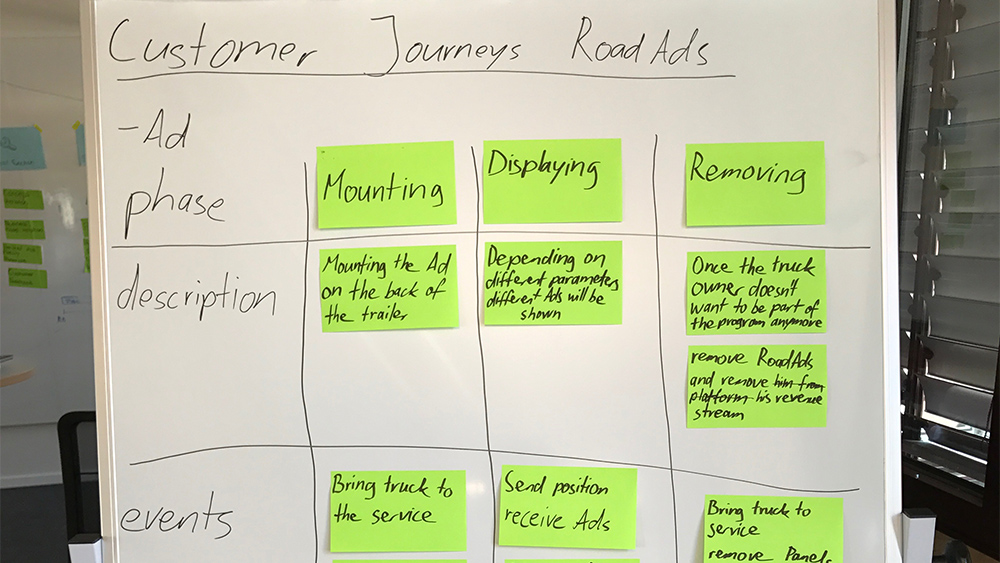
User research, user testing, observation, iteration, measurement, etc. is so crucial for every product you build. It's the most important thing for me to understand the user where he doesn't even understand himself. It's not only about giving the people what they think they want. We as UX researchers should look for the core of their problems and needs and try to look for a meaningful solution.
User experience design is the process of enhancing user satisfaction by improving the usability, ease of use, and pleasure provided in the interaction between the user and the product. This is more than just traditional human–computer interaction (HCI) design, it extends it by addressing all aspects of a product or service as perceived by users.
Going to Product Management is one of the next logical steps in the UX area. And this is what I've been doing all the time at Mercedes-Benz with new projects coming in every single month that we are testing and evaluating. I've been coordinating and leading teams in the right direction.
If I've got a cool idea I'll pitch it. If you need help pitching an idea, I'll help you out. This is what I've been doing as part of the innovation team at Mercedes-Benz and pretty much my whole life.
Design Thinking, UX, IoT, Big Data, VUI whatever you throw at me I don't care. I'll do whatever it takes to enable a good experience for the user. This could mean adding things but also removing things. What's important is the outcome, not the output or technology.
'Invest in people, not in ideas'. I believe that people who believe in each other and are dedicated can reach so much more than a few with good ideas. I love working together with others and I'm often told that they enjoy my company as well ;) If this is not a given, I don't believe that you can be a good UX researcher.
people want.
Stuttgart/Berlin Creative Technologist / UX Professional Today-2016
In the department 'Digital Solutions' it is our goal to revolutionize the logistics industry. I was employee #1 in this department and helped setting it and our innovation funnel up. The work includes pitching, UX research/design, startup scouting, organizing hackathons, doing whatever it takes to bring the team forward (actually getting 💩 done).
Stuttgart Co-Founder 2017-2016
This was a project with a partner out of interest. We wanted to learn what it takes to start and grow a business from the beginning to the end. We ended up with positive revenue and no time 😉
Frankfurt Co-Founder & UX/UI Design 2016-2015
Together with co-founders from Capgemini and Nintendo we wanted to change the way people would travel.
Stuttgart Project Manager 2015
For the biggest festival of its kind I helped setting up an additional interface called 'Gamezone' which would be the bridge between animated films and games. By adding specific events and developing specific websites, I increased the feedback to a point the company has never received before.
Berlin UI/UX Design Intern 2014
These were my first cute steps into the IT industry in one of the biggest hubs. I gained a lot of experience and many friends that I wouldn't want to miss!
-
Currently:
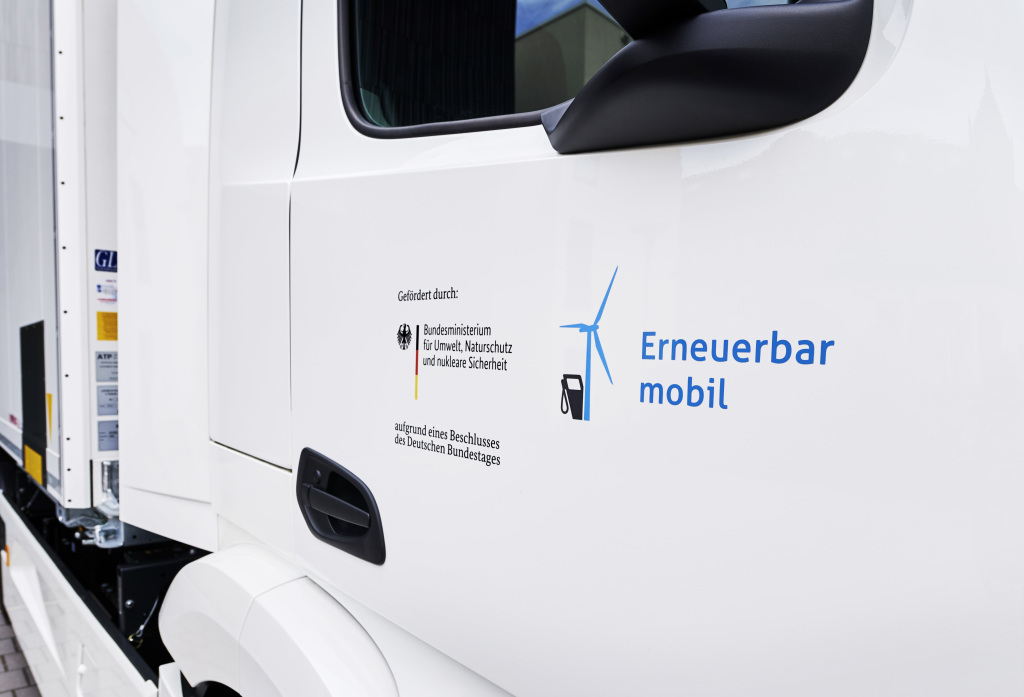
Mercedes-Benz eActrosTo be announced -

Mercedes-Benz Actros 2019UX Lead
UX Research
Design SystemProject DescriptionThe Actros 2019 hasn't been released yet and there might still be work in progress. None of this information is final. To comply with my non-disclosure agreement, I have omitted and obfuscated confidential information in this case study. The information in this case study is my own and does not necessarily reflect the views of Daimler AG.
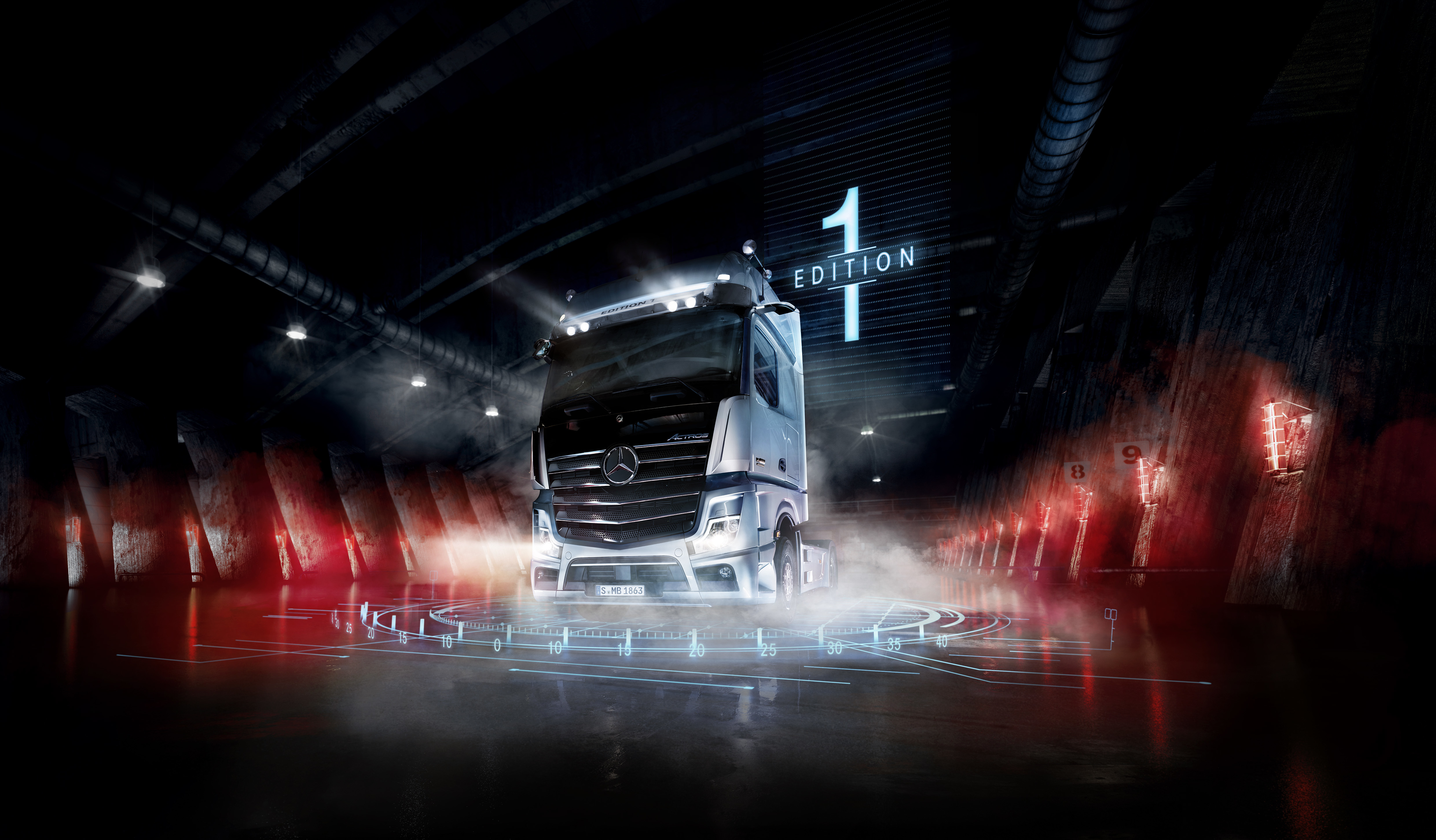
The brand new 2019 Mercedes-Benz Actros is a statement for the logistics industry. With over 60 new innovations, it is the most modern truck in the world. One of the main key features is the digital experience of the secondary display and the integration of the new Mercedes-Benz Truck App Portal. Both products and their interactions were the focus of this project.
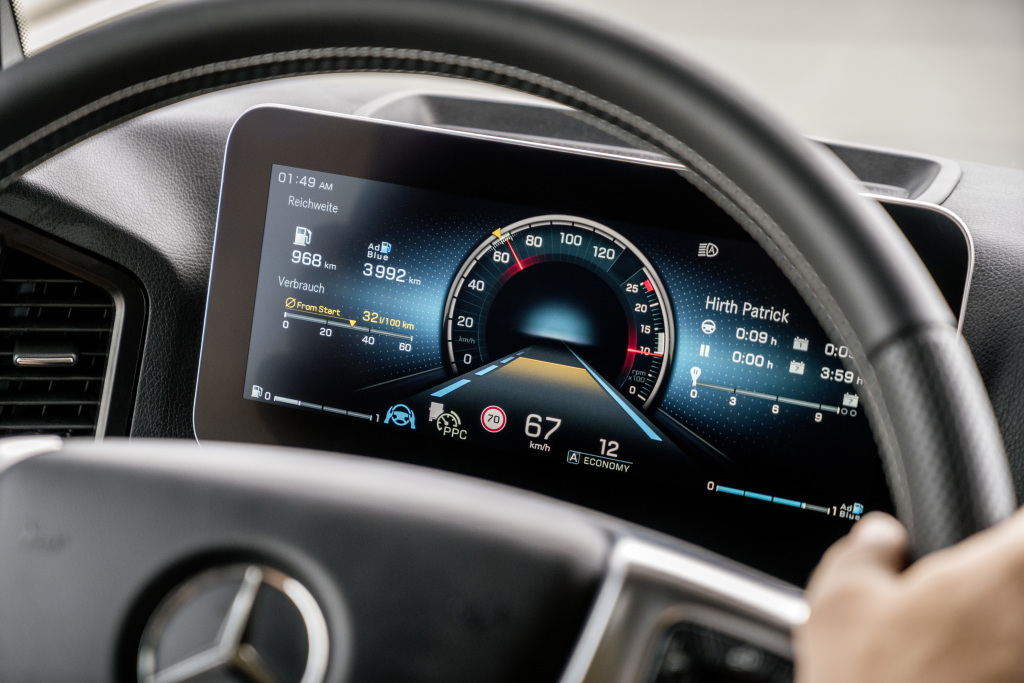
The primary display of the new Actros.
01. My RoleI was the User Experience Lead in this project which consisted of overseeing all UX efforts (hardware & software) across multiple departments (>8 departments). This included research, analyses, evaluations & recommendations. As part of the recommendations I created the MB TruckOS Design Principles Documentation, too.
02. The ChallengeThis was going to be Mercedes-Benz Trucks' first step into creating an App Platform. A company that has been focused on automotive and that has been primarily working with suppliers was sure needed to learn a lot. This was also not going to be a simple copy-paste solution that we could take from Apple or Google because of the B2B environment and the deep vehicle integration. Another challenge was that in such a big and grown company like Daimler AG and especially Mercedes-Benz Trucks, all the departments work in silos. These silos had to be broken.
03. The ApproachOur department was set in place to break the silos that have grown over time and to have everything that affects the digital component of Mercedes-Benz Trucks summarized and managed in one place. I was asked to be the UX Lead of the project and I happily accepted. The task was to oversee all the aspects that touched the User Experience of the secondary display and the Mercedes-Benz Truck App Portal (hardware & software).
04. The ProductThe most connected and digital commercial vehicle of all time. With the open MB Truck App Portal the Actros can be equipped with MB Apps and external third-party apps. Since logistics work and products can be so detailled, complicated and fragmented, the MB Truck App Portal and the new Actros helps to bring all the different parties together at the right time. Finally Android Auto and Apple CarPlay are included as well.
 05. The Framework Understanding the Fleet
Contrary to B2C app platforms like the App Store, in logistics the people who buy the products, often aren't the people who use the products. The customer (e.g. a fleet manager) isn't necessarily the actual end-user (e.g. a truck driver). How companies in logistics pay for services is also different and it gets even more complicated the more countries you consider. What people often forget is to do an environmental analysis. The workplace and the cockpit of a truck driver is extremely different to anything else. The seat goes up and down while driving, there's a bed, time/work laws, crimes, habits of truck drivers, different work devices and so much more. We knew that it was very important to do qualitative and quantitative analyses before we could continue with the next steps.
 Silos
SilosSomething that I keep seeing in this company is silos and people who are just looking at what's on their own table. I could talk quite a bit about why it is like this and if the organizational structure, the culture or how people are paid in this company are the reason because of this. But this is not the focus and it is how it is for now and IT IS BAD. So let me tell you how we dealt with this. It is really hard to build software on top of something that people came up with that have little to no touch with the logistics industry. On the other way it is really hard to build hardware if you don't get any requirements from anyone. Some people want the best technology that today has to offer, some people want it to make it as cheap as possible, and some people would rather fully trust what the customer says. But to actually start a conversation, we started the Implementation Meeting by Digital Solutions (short: IMDS). The goal was to bring all relevant departments together to one table to talk about the current situation. Since this came into place, the conversations and the progress was so much better. The people understood the common goal and could work towards achieving it.
Not feature-driven but outcome-drivenA common problem that I often see is that people become too feature-driven. The more features, the better. "We have so many features, we achieved so much!". This can be very dangerous because it can lead to features that nobody ever needed or to features that could/should have been solved differently. During an IMDS I proposed benchmarking and goals that were outcome-driven and not feature-driven. Outcomes that the customers and users want, feel and see. Outcomes that haven an impact for them. Outcomes that were measured by UX laws & models. Everyone agreed that this was the right approach to continue. Whenever hardware & software changed, I remeasured the parameters with different methods and ranked the outcome goals. This was the way we were tracking if we were still on the right path.
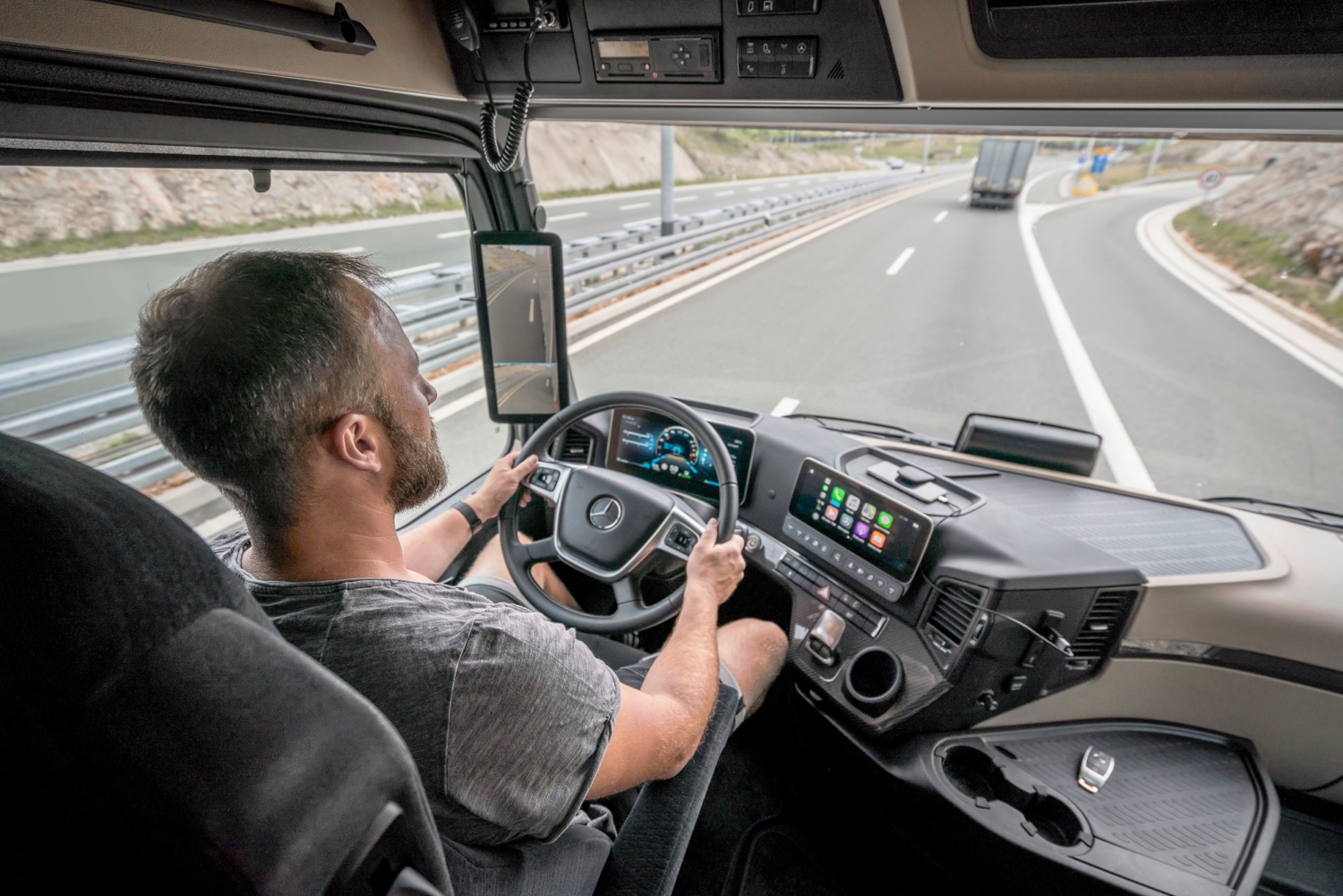
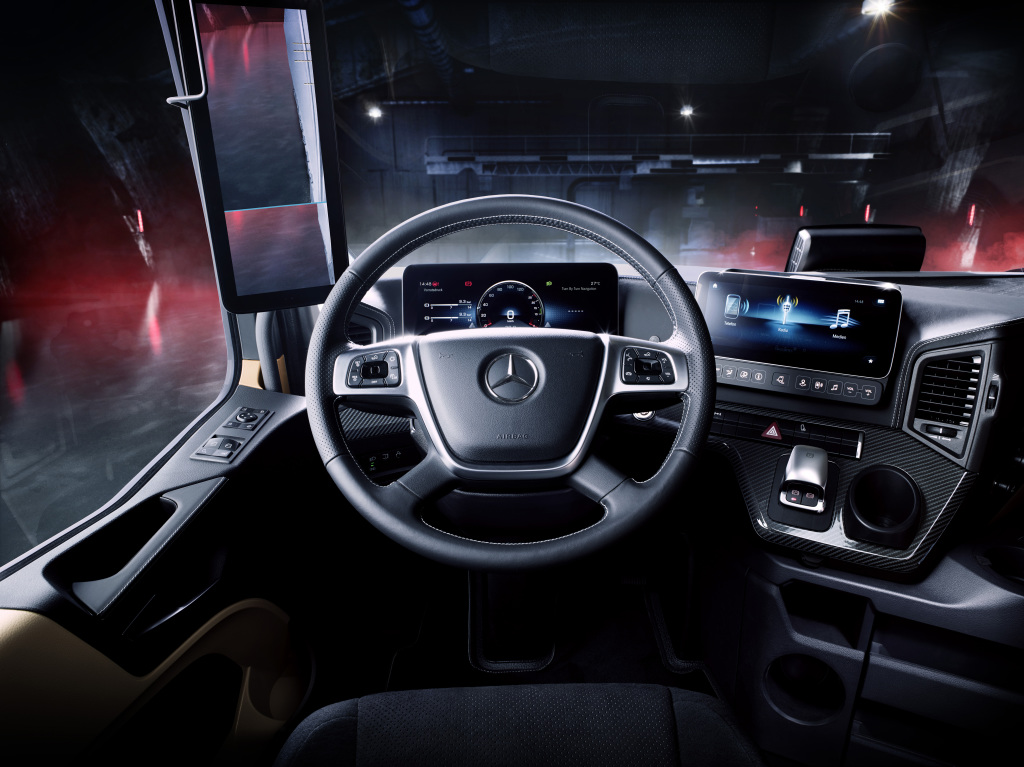
A truck driver driving in the cockpit of the new 2019 Actros.
What's an app?"Is it like the short form of Apple?". Ok, this is not an actual quote but you might get the point and this is by no means a sad attempt to offend anyone. The people here at MB Trucks are amazing at what they are doing - building trucks. But they don't know how to build apps, just like you most probably don't know anything about the extremely difficult world of trucks. If you look at the Mercedes-Benz apps it's no surprise that they often don't have consistency in their design, navigation, output, etc. They are often not optimized for vehicle use either. But this is a problem for a lot of logistics companies that provide apps. In order to solve this issue and streamline design, I gave myself the work package to create a design principles document for internal and external usage. Since MB TruckOS is based on Android, the design principles were also based on the Android Auto design principles. This work involved user research and talking to different employees across the company.

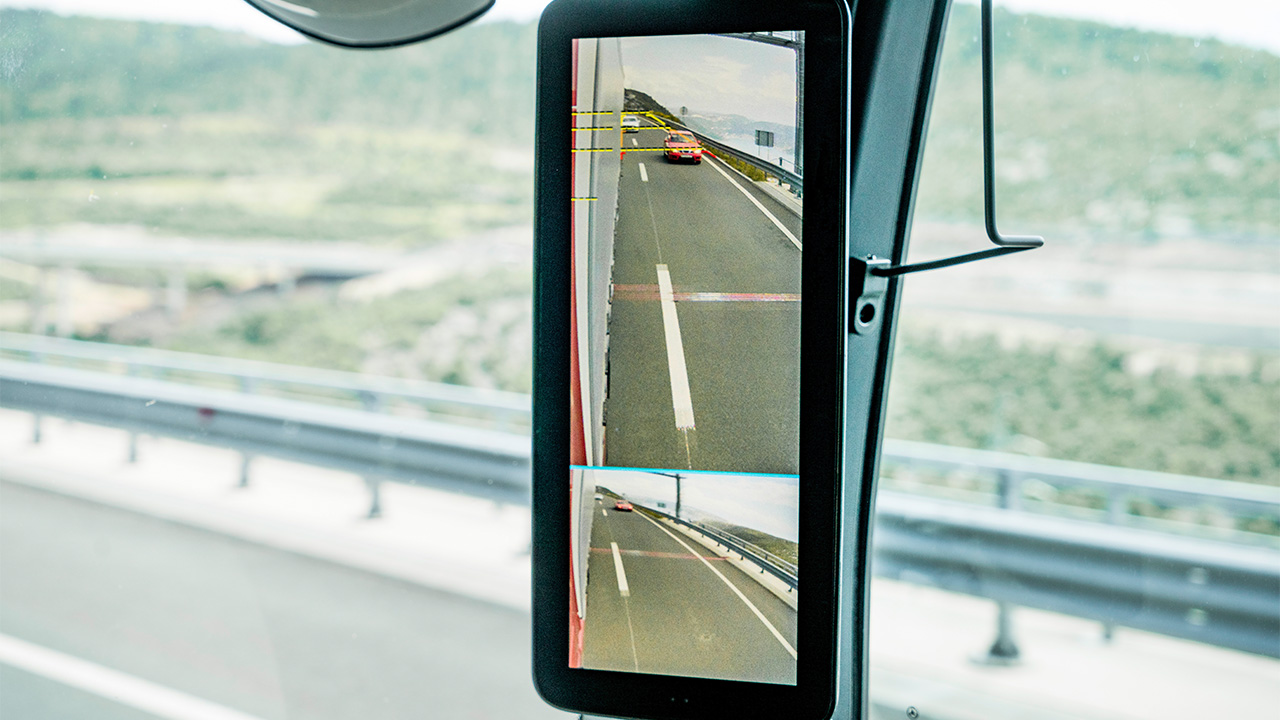
Mockup of the secondary display in the connect screen.
06. The Result07. The ReflectionThis has been my biggest project so far (September 2018). Personally I would compare it with the release of the iPhone 3GS that also introduced the App Store. Of course they introduced more innovative groundwork but I like to think that this work was in the same league in the logistics industry.
There was so much trouble and miscommunication by working with so many different departments that cost us a lot of sweat. But when we decided to take care of the root problems that we were able to address, things have gotten so much better. All of this has taught me to stand the ground of the customer in front of other stakeholders. User Experience finally found an important seat at MB Trucks.
I feel very humbled to have been chosen by my department as the UX Lead role and to be acknowledged by all of my colleagues despite of my young age (I feel old already, though). When the truck was finally announced it filled me with pride and joy. I can't wait for you to see it. See you at the IAA in Hanover!
 Visit the website to learn more about the Actros 2019! Actros 2019
 -

Digster Music Deals
(Universal Music)UX Research / Design
UI DesignProject DescriptionTo comply with my non-disclosure agreement, I have omitted and obfuscated confidential information in this case study. The information in this case study is my own and does not necessarily reflect the views of Universal Music.
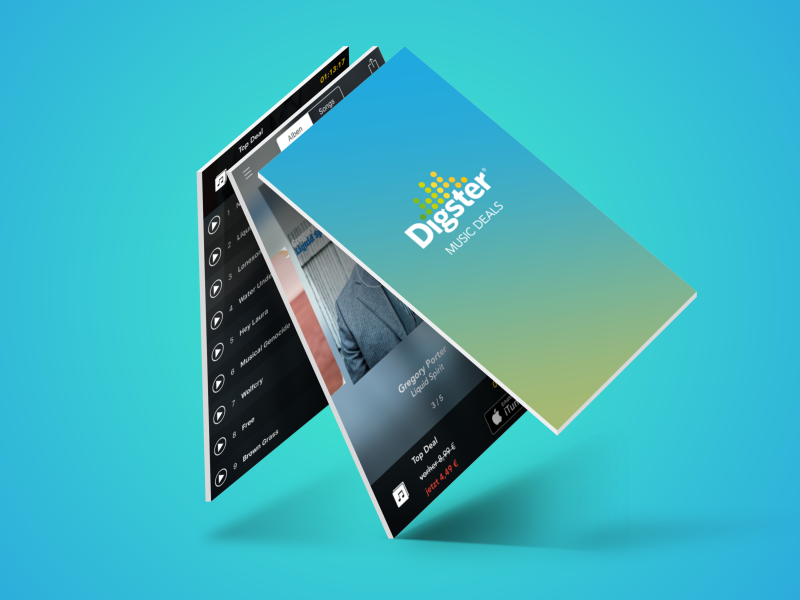
The client approached us with the idea of an app to display limited discounted albums and songs out of their Universal International Music library from iTunes. Limited offers should last only 48 hours and then be replaced by new offers. It should be used on the international market and have an emotional look.
 01. My Role
I was part of the design team, mainly leading the UX work, producing the major deliverables and and collaborated on the visual design. I worked alongside a design apprentice and a UX/UI co-worker, who were focusing on the visual design.
02. The ApproachThe main problem that I faced was that our client didn’t want to spend any money on user testing. And a UX Designer needs to have user testing to show off valuable and data-driven deliverables. By knowing this I tried not to do too fancy things and stay on the safe side with proven patterns and validate any unsure ideas with friends and colleagues. So a precise research and analyzing phase had to be done. In addition it was better to use safe patterns that were proven in the past. In this scrum environment, development had to start as soon as our main ideas were ready so that we can work simultaneously.
03. The VisionWe wanted to create a service that shows the current deals of Universal Music. Users should be engaged and motivated to have a look at them and potentially buy them.
04. The ServiceDigster Music Deals is an app to highlight five discounted albums and singles of well-known Universal Music artists. Users can preview all songs and clearly see what they are buying at what discount.
05. The FrameworkThe app had to be released in only a few months which had to result in quick and early handoffs, even when they were rough ideas. Communication was key! The design team started off with analyzing the domain and the state of the art. What are the current trends? What specifies the domain that we are moving in? Who are our consumers? What do they want?
I hypothesised that the user would now want to see even more what they gained from buying music. I started with writing down ideas on the whiteboard of the design team for everyone to see. It was clear that we needed an easy experience for the users who consisted of all age groups but also to stand out and show that there’s something different and that there is a value in using the app and buy the music. The first main idea was to offer an album view and a singles view because consumers often have the problem that they don’t immediately see the difference between albums and singles. Second, we wanted to have the simplest navigation possible. The main navigation should only be to infinitely swipe left and right through the artist pictures. The bottom bar should display the album, the former price, the discount and a buy button. To give users a feel of what they can buy, there’s a big play button on the artist picture which will play samples of the album or the singles. By clicking the button or by swiping the information at the bottom up, you can see detailed information about the songs. To ensure that all users would understand the navigation, I wanted to include a short one page on-boarding tutorial.
Now it was time to use Balsamiq Mockups to build low-fidelity wireframes that I wanted to give the designers and developers. By quickly evaluating them with friends, designers and developers I could build mid-fidelity wireframes with Adobe Illustrator. When they were done and refined, I helped out the design team with the visual process in Adobe Photoshop & Illustrator.
06. The Result07. The ResultI left the company before the launch of the project so I can’t really say anything about that. All in all the task was not too hard because we tried to go the safe route. I did mostly work with a thought process and ideas that I had in the past and were proven right and overall the client liked everything. But that’s not the only thing that I, as a User Experience Designer, want to achieve. I would like to have the user like it and I could only estimate how the user will react to our product. Retrospectively I would’ve done some things differently. The switch to change to a list view inside the menu was a very bad design decision. Overall we could’ve just removed the whole list view since I think that almost all users only use the cover view anyway. Furthermore it would be better to have the name of the artist and the album title when you are entering the detailed album list. It gives the user more orientation. Having the list view and an additional switch complicates the experience. Nevertheless in the end the app got 4,5 stars out of over 140 ratings in the app store until today and websites gave it a high rating, i.e. 9,8/10 stars (AppZap).
Visit the website to learn more about Digster! www.digster.de -

Fleetboard SpaceMapping
(Mercedes-Benz)UX Design
UI DesignProject DescriptionAs part of the Mercedes-Benz Innovation Funnel we learned from customer interviews that there’s no real way to measure the volume in the trailer of a truck. That’s why it happens a lot that the trailer is underloaded (inefficient) or overloaded (illegal). We pitched the idea of an app that can measure the available space and also send the information to his or her company. The concept was approved, prototyped, evaluated, developed and released.
 01. My Role
The Mercedes-Benz Trucks Peninsula Team (now Daimler X, a Daimler global incubator) who were responsible for innovative software solutions approached me after they did their initial research to support them on several of their ideas. One of them was SpaceMapping. I led the design across the mobile apps for iOS, Android & Fleetboard Dispopilot.Guide2. After the launch I oversaw the the updates and marketing efforts of the product lifecycle.
02. The ChallengeAfter a lot of customer interviews we learned that the trailer space of a truck was very inefficiently used. Two major problems evolve from that. The margin from transporting goods is usually very low. This means that not used space or even empty travels is wasted money. But on the other hand if you overload your truck it’s illegal and you have to pay a fine. Another problem is that the only person who can see the trailer is the truck driver but the one who is ordering the goods is the dispatcher. The information and the reality inside the truck is not really aligned. Our goal was to tackle this challenge.
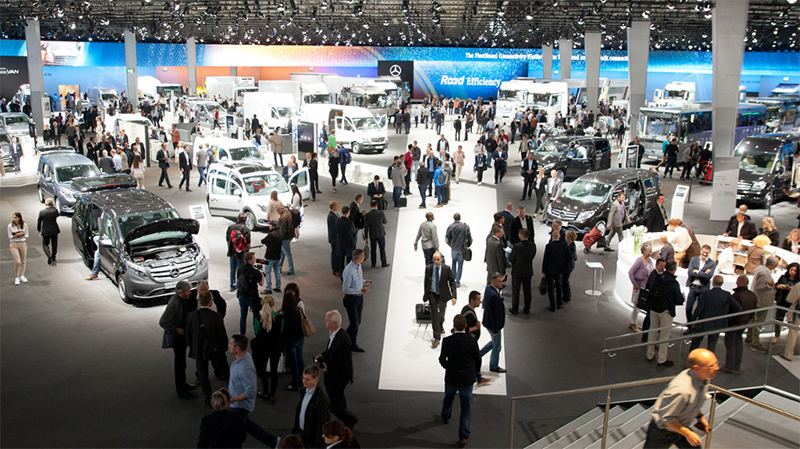
03. The ApproachThe IAA (the world’s largest motor show) was around the corner and the company was looking for new innovative solutions to attract the media. So we as a team wanted to offer the management a range of concepts and ideas which they could vote for. We calculated with 3000$ and 3 working weeks in a scrum environment which would have set the project in a good position for the IAA which was soon enough. Since Mercedes-Benz hasn’t made its name yet in the app industry, we also needed to work closely together with the marketing departments. The visual guidelines were in the hands of the marketing department and a full rebranding was in process.
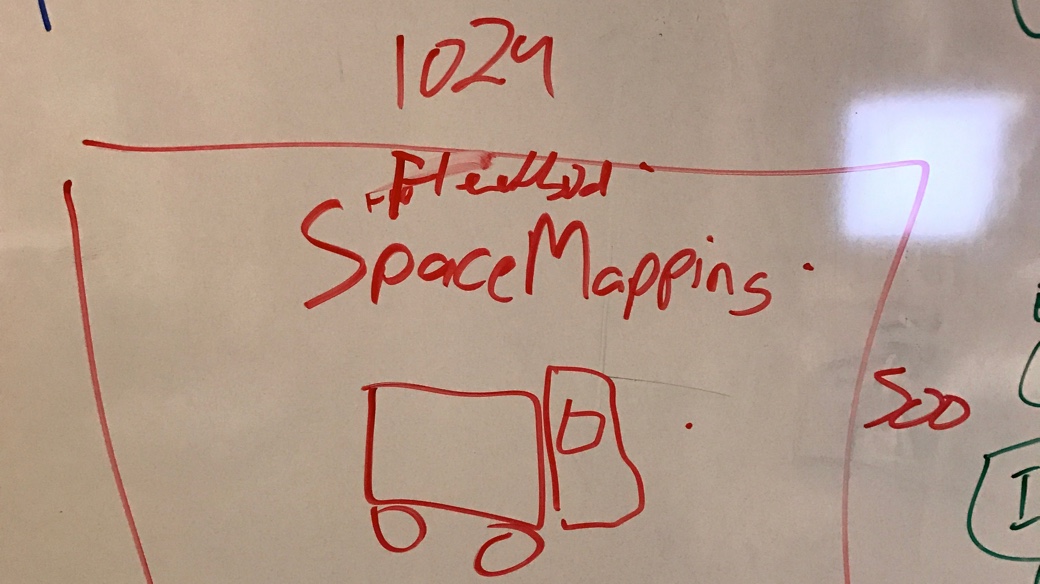
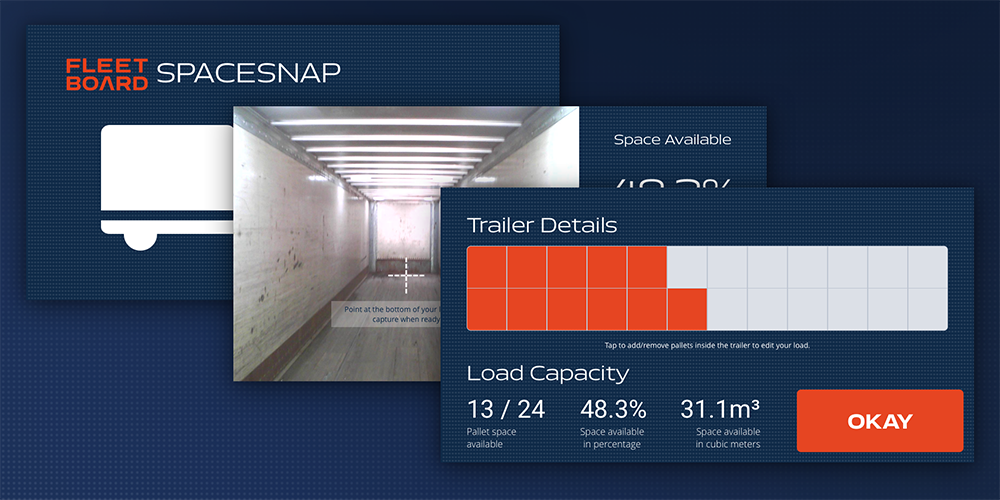
04. The SolutionSpaceMapping is a mobile app for iOS, Android and the Fleetboard Dispopilot.Guide2 that uses the camera and the gyroscope to calculate the remaining space inside the trailer of a truck. The remaining space can be sent via various communication tools to the dispatcher or the own transportation company so they check which goods are the best to pick up on the route.
05. The Framework Pitching the IdeaThe first step was to convince the management of our idea. We had several ideas in the pipeline and chose the best ones we believed in. I prepared the pitch deck with all the relevant data to convince the management but also with relevant and important weaknesses and challenges. After pitching, the management also believed in SpaceMapping and gave us the budget for project.
For our End-Users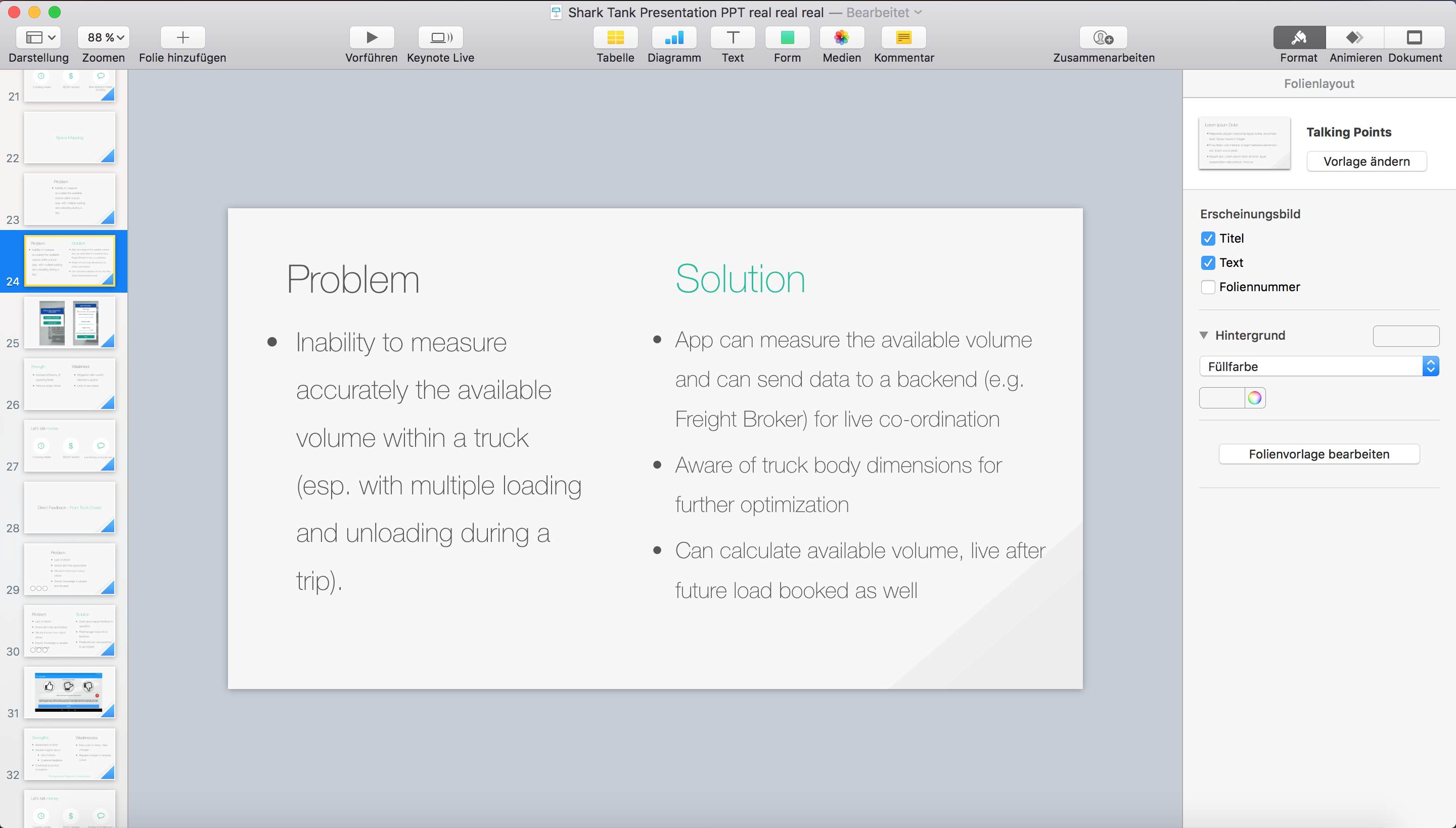
After the pitch we had a basic rough idea how the app should look like but we just went for a lean wireframe to proof the concept. So the next step was for me to have a look at it with a proper UX design methodology. The app was only meant to be an app for mobile phones but the management wanted to have it running on the Fleetboard Dispopilot.Guide2 as well. We designed wireframes with having truck drivers and the same behavior between different devices in mind. I’m usually the one who wants to drive device-specific navigations and interactions but for this case it is different. A truck driver who has a Dispopilot.Guide2 inside of his truck would want to have exactly the same experience on his phone that he is carrying around. And also from prior user researches, a lot of truck drivers do use the mobile phone a bit differently than the mainstream.
Working with Work In Progress
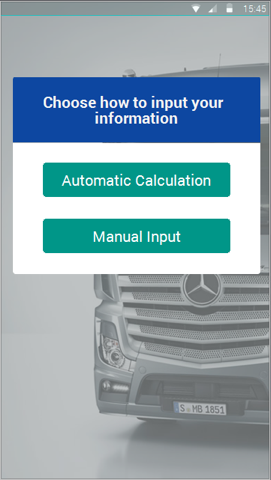
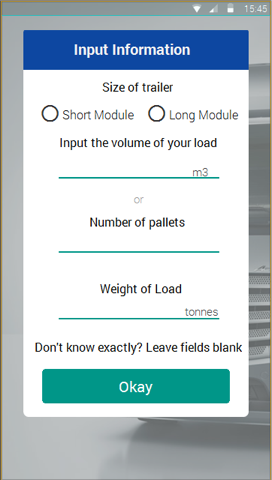
This means he would want a really easy-to-use solution that would be working well with his current app-ecosystem. The majority of truck drivers need bigger buttons (from user research that we conducted), would have time to learn new things during their resting time but wouldn’t want to deal with overcomplicated things. The truck driver needs a solution that would really tell his fleet manager how much more space he has inside of his trailer so he won’t get into trouble for overloading. All of this information went into my wireframes.
After evaluating our wireframes and the typical iteration cycles we had to work together with the marketing department. The new rebranding and also the ‚styleguide‘ was still in progress and we had to work with WIP versions. This was a risk but also a chance to give our opinions on it which we did. There was a lot of back and forth between the teams, in the end it worked out fine, though. SpaceMapping would be the first app with the new design even before the official rebranding.
06. The Result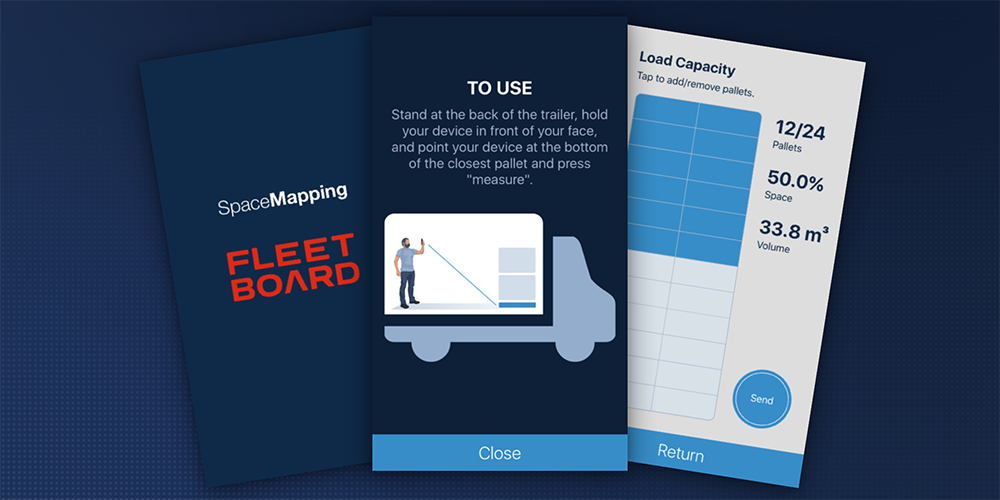
 07. The Reflection
Just because you suddenly want to go agile and lean, doesn’t mean you are ready to go agile and lean. We’re talking about Daimler AG/Mercedes-Benz which is such a gigantic company. A company that is working as old-fashioned as it gets. A company that realized that it can’t continue like this in the future and wants the change right now. Very fortunate that the department was indeed going in this direction and most of the work that we did by ourselves went smoothly. I’m a defender of the lean UX methodology where shared knowledge and communication is key. This is also possible in big companies such as Daimler AG. But unfortunately the people were not ready yet and this is no blame. It just takes the right leaders and time because the people were told to work in one way and suddenly they are being told to work in a different way. This slowed down the communication and working across departments by a lot.
But once you find the right people in departments and have your outer team that is committed to your project, the speed increases immensely. Working on this project with a free and self-motivated team showed that it is indeed possible to work agile and lean inside of such a big company. The team shared the responsibility, motivation and self-organization. This was possible due to our awesome bosses who were keeping our ways free so we could do what we wanted and needed to do. Even though we had a SpaceMapping finished and waiting in the pipeline for around 1-2 months, we would have probably waited even further 3 months if our bosses weren’t pushing hard for the app. Unfortunately we handed the app over to another project manager and I couldn’t improve the UX with proper usability testing which it definitely needed.
In the end the reception of SpaceMapping was very good. When we showed our app at the IAA the feedback was positive and people wanted to use it. Even after launching the app customers offered us translations so their drivers could use our solution in their own language. The management wanted me to oversee the marketing after the launch because they saw the potential of SpaceMapping. All in all I can say that it was a very good experience because I worked alongside such talented and nice people who all had the same vision in mind. We also pushed the management and the company in a more agile direction. I’m looking forward for the upcoming changes of Daimler AG.
Visit the SpaceMapping website to learn more about it! Visit SpaceMapping -
Fleetboard HoloDeck
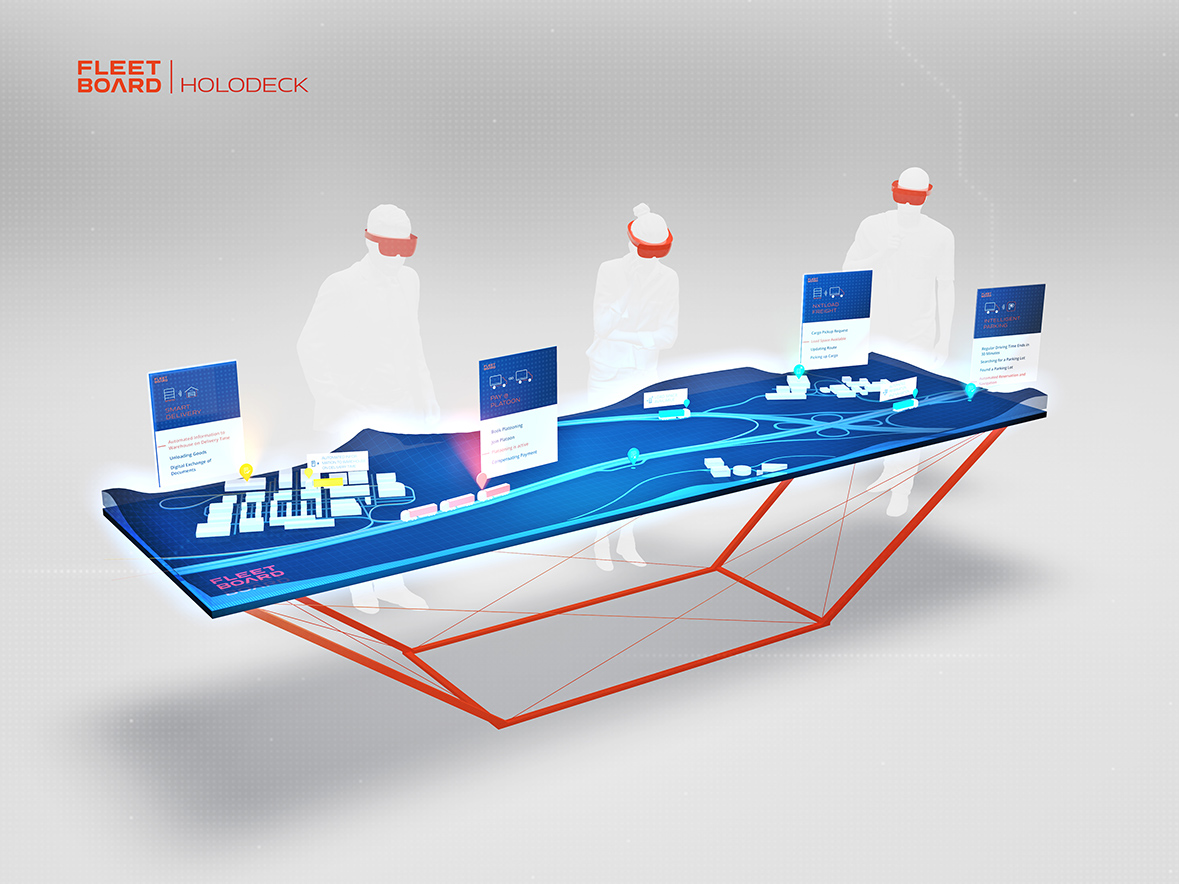
(Mercedes-Benz)UX DesignProject DescriptionFleetboard HoloDeck is one of Mercedes-Benz' first steps into mixed reality territory. The app shows how future fleet management could be handled with futuristic use cases but already implemented services as well. This project gained quite some internal but also external interest from the industry.
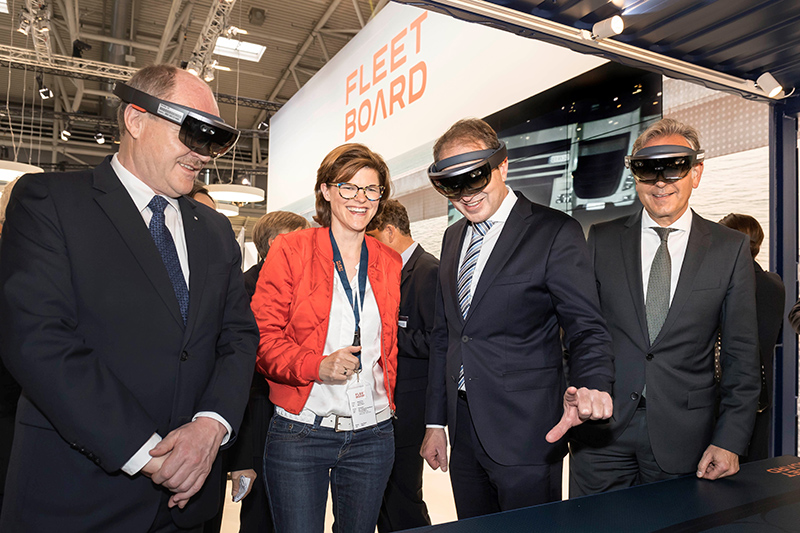
Alexander Dobrindt, German Federal Minister of Transport and Digital Infrastructure, and Stefan Buchner, Divisional President of Daimler Trucks & Buses, using HoloDeck.
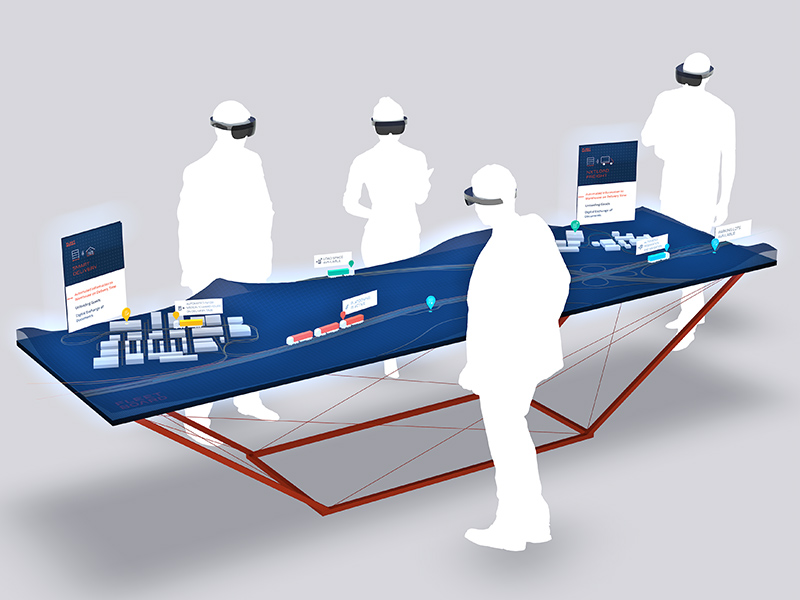
Mockup of multiple people using Fleetboard HoloDeck.
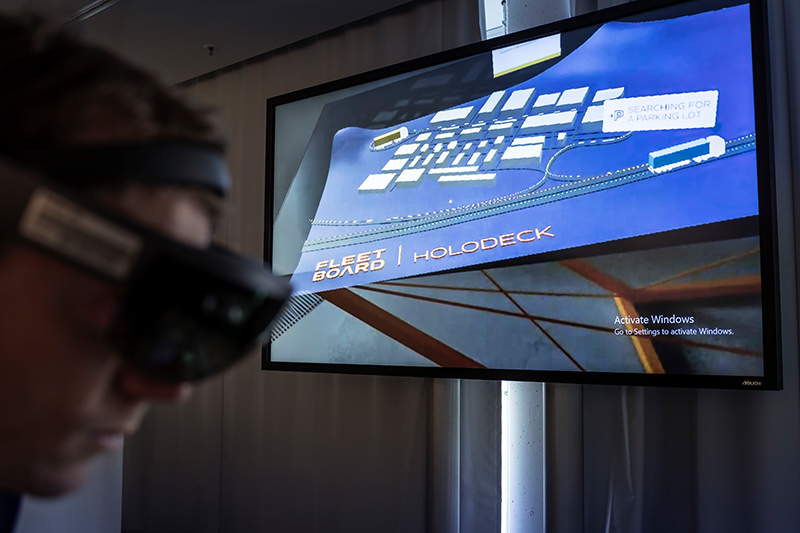
The HoloLens application seen on a screen.
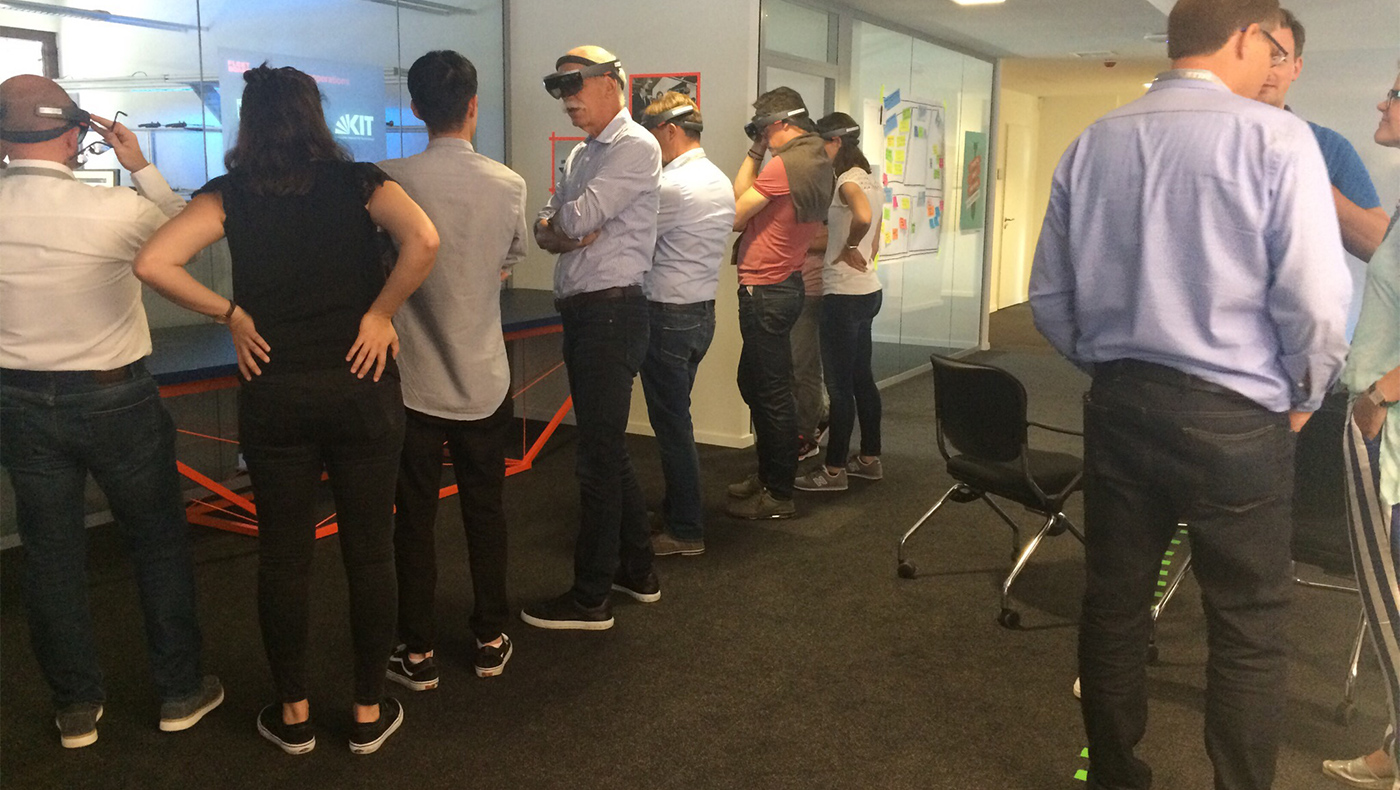
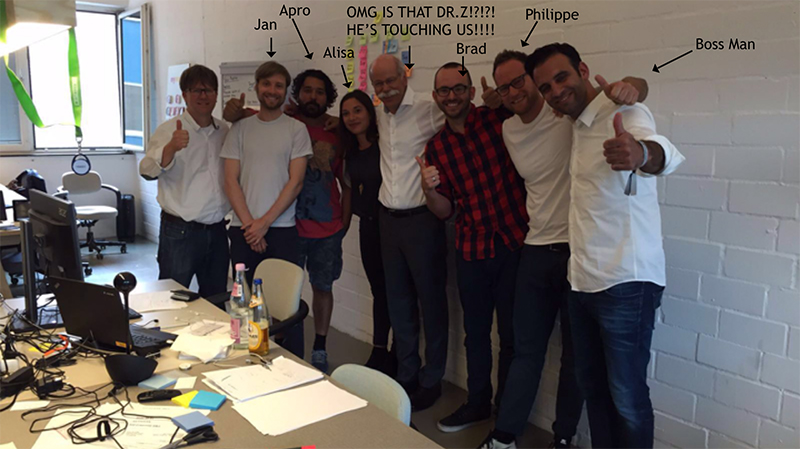
I introduced Dr. Zetsche, CEO of Daimler AG, the Board Members and the Top Management to the project.
01. My RoleThe conception and product management of this project was led by me. My role consisted table design, event story & placement, as well. The work was supported by the media agency ‚Intuity‘ that took over the development with the HoloLens startup ‚HoloLight‘ that I connected them with.
02. The ChallengeFleetboard was about to have its big rebranding event which was a press conference where people all over Europe were invited. The brand was going in a direction where it would be more than just a telematic hardware supplier but to become a brand that offers digital solutions and services for the whole logistics industry. Therefore the company also wanted to have a HoloLens app that could show futuristic apps and use cases to show on stage with guests. In less than 6 weeks we had to be done. Which looks like a really short time, is actually more than I have during my prototyping phase inside of the Mercedes-Benz Innovation Funnel.
03. The ApproachSince we had a really tight timeline, we had to do the ideation and definition of the project right and do it very lean. When that was done, we stripped the project down as much as possible to make everything work in a scrum environment and extend it from there on.
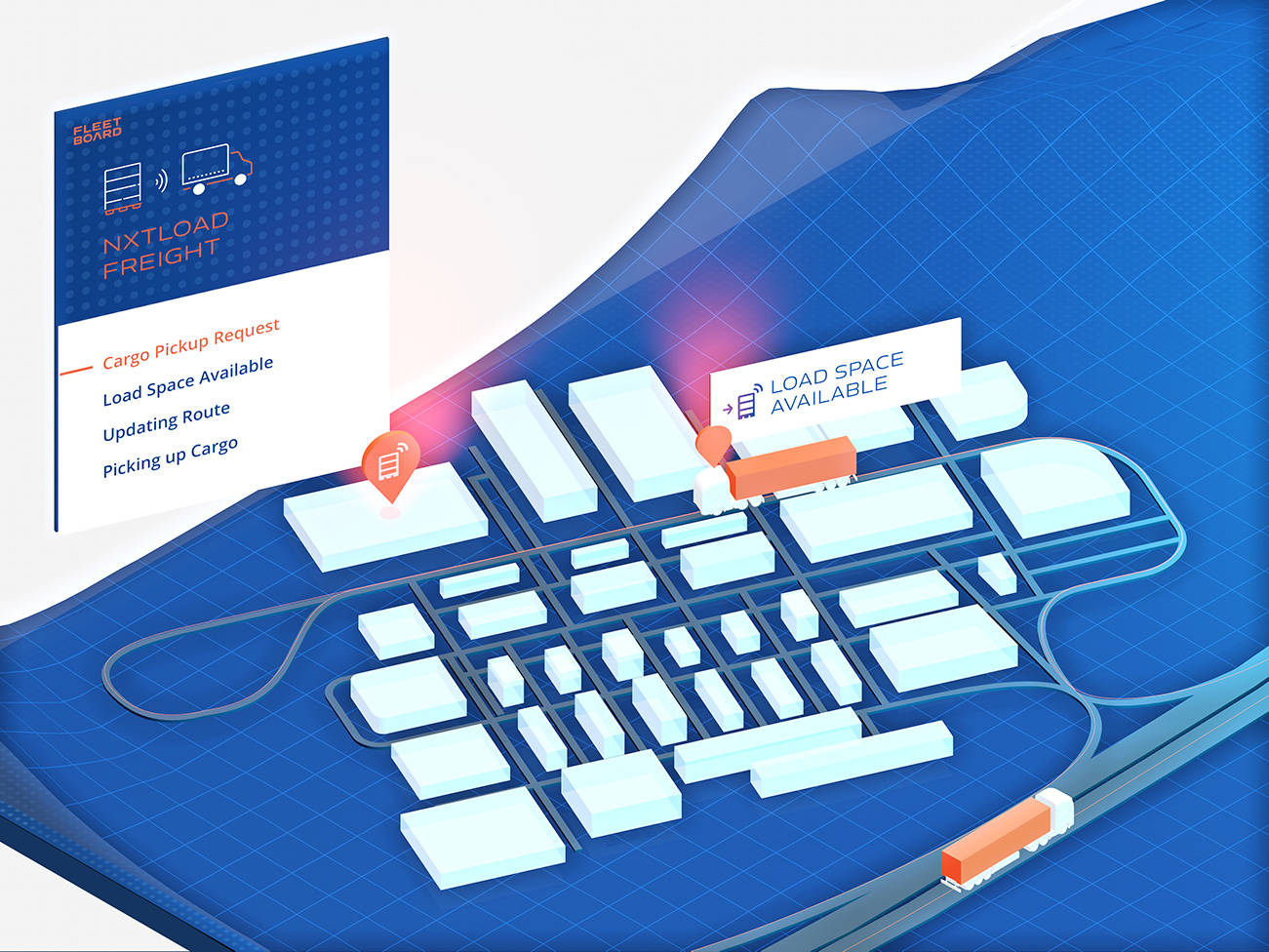
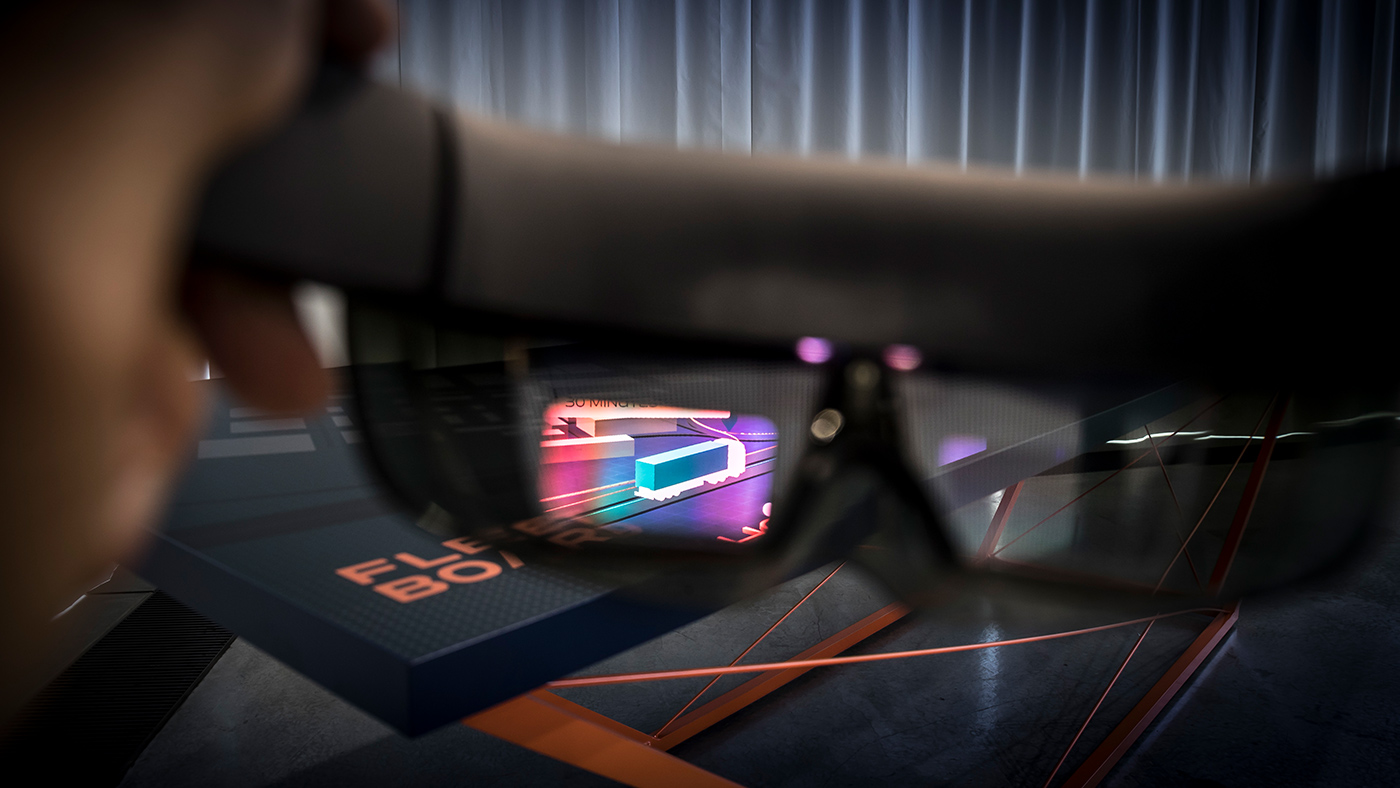
04. The SolutionWith the help of HoloLens - a mixed-realiy headset which makes it possible to see virtual 3D projections in a room and interact with them - you can experience how Fleetboard shapes the future of fleet management. A simple table with an abstract map on the surface will be be brought to life with the use of the HoloLens. In the three dimensional landscape of the HoloDeck the fleet manager of the future can see his vehicles in real-time. The shown scenarios we purposely focus on use cases of the future: The fleet management as well as the logistics process will be automatically controlled by the system, the dispatcher receives information about the driver, truck and freight at a glance through his HoloLens. The system knows the load, the available space, the transport orders as well as the route and driving and resting times of the driver.
05. The Framework IdeationThe only condition I was told that I had was to make something with the HoloLens for the logistics industry. So I was pretty free to do whatever I liked. In our ideation workshop we were thinking what we could show. Shall we show the services that we already released? Shall we show the services that are in the pipeline at the moment? I was like „Hey guys, we can do whatever we like. The HoloLens is already a pretty futuristic gadget, what if we talk about the future? Do you know in wat kind of future I want to work for? A future without problems. Let’s take all of the big issues that the logistics industry has at the moment and just solve them“. And that’s what we went for.
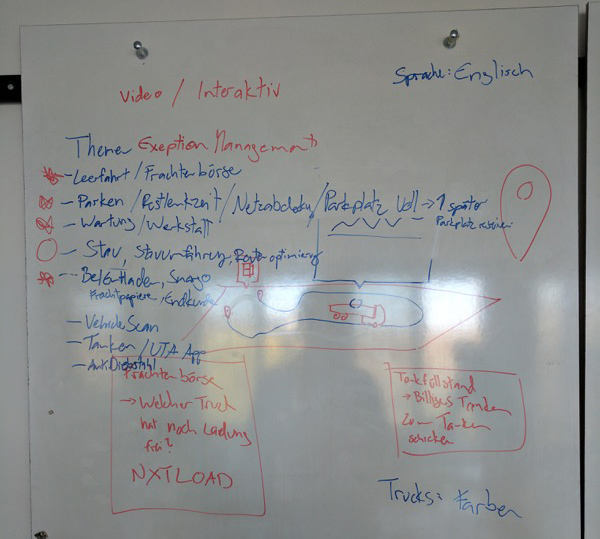
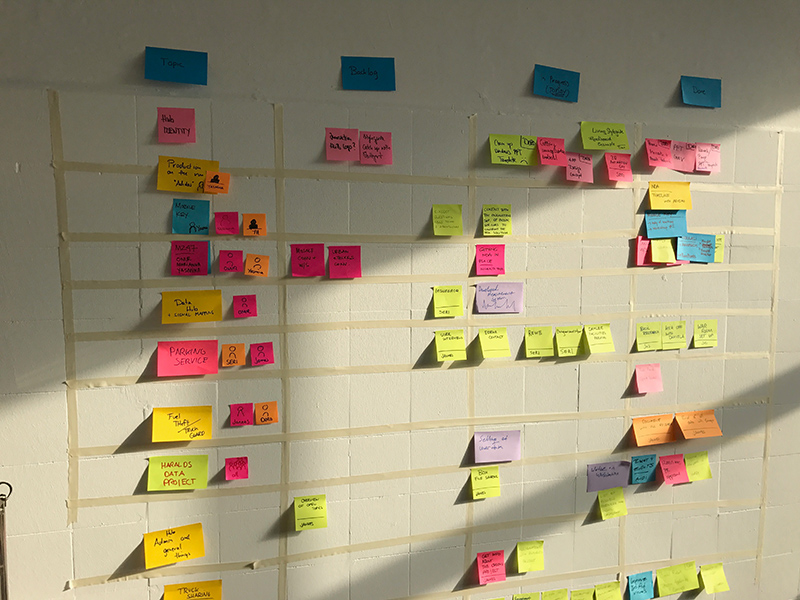
We came up with a list with problematic topics of the logistics industry, sorted and prioritized them. We only had less than 6 weeks to go and that’s what we had to do. Now we had to come up with possible scenarios so that the visual designers and developers could start working.
Are we ready?A question I was asking myself was: Are the people of the logistics industry even ready for something like HoloLens? We are talking about an industry that still uses a lot of old Excels 5-6 different softwares at the same time for 1 use case, and a looooot of paper. Have you heard of fax? But this question alone made me push even more in this direction that we really HAD to go for this. Let us influence the industry and make people aware of the things that we can and should do. But let’s do it in a soft way and not overwhelm the people. This led to several decisions:
- Don’t show too many things at the same time (if at all)
- Show solutions that are simple
- Trucks and pop-ups have to move slowly
- No interactions at all, showcase only
- Let the user focus on only 1 thing
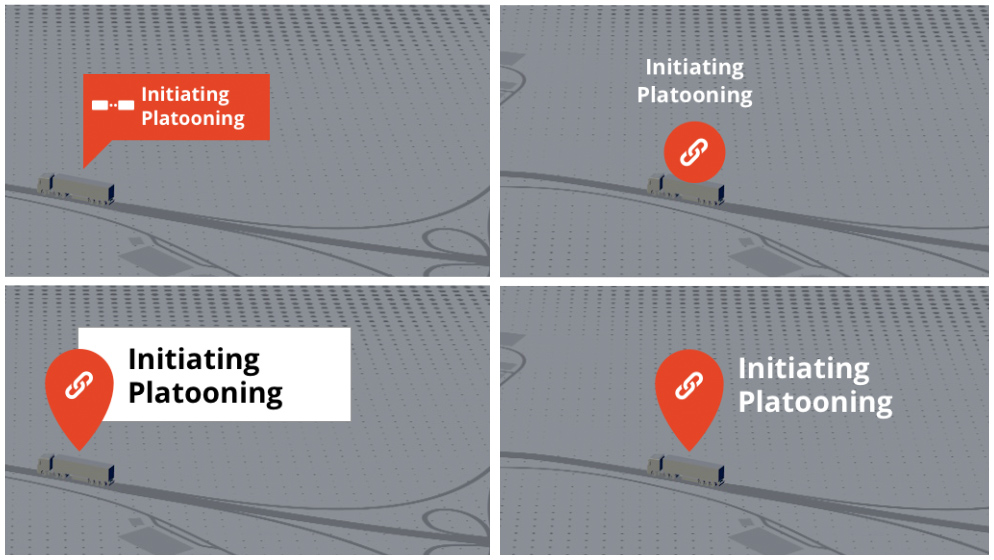
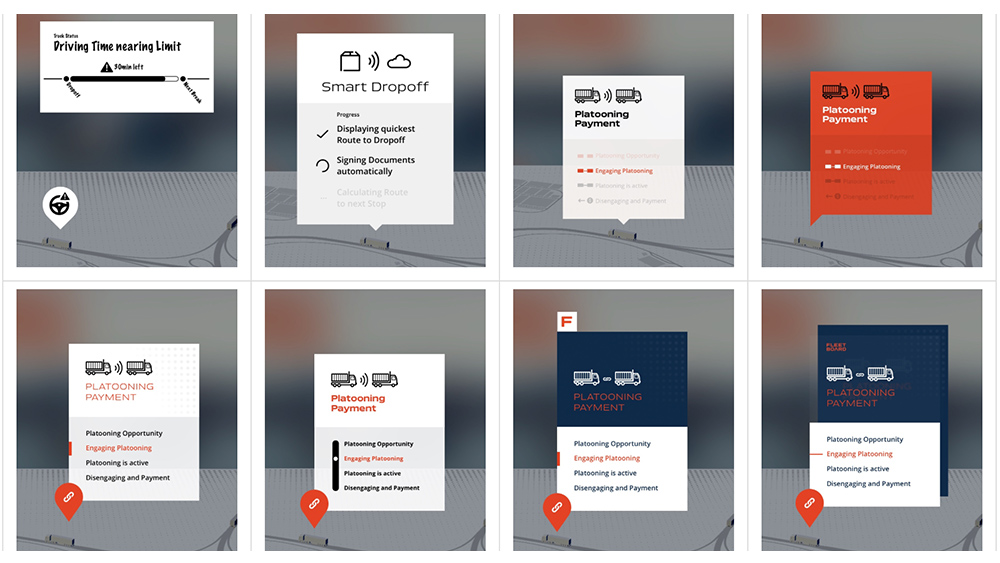 Scenarios
We were aiming to get at least 3-4 scenarios running which would address at least 4 problems. All of these scenarios had to be explained since there is already a lot of new things going on for the user just by putting on the HoloLens.
There’s a little popup with an icon above every truck that is showing a futuristic service. By looking at the popup, it extends and shows more information about it. With this design we’re trying to show as little information as possible but as much as we need.
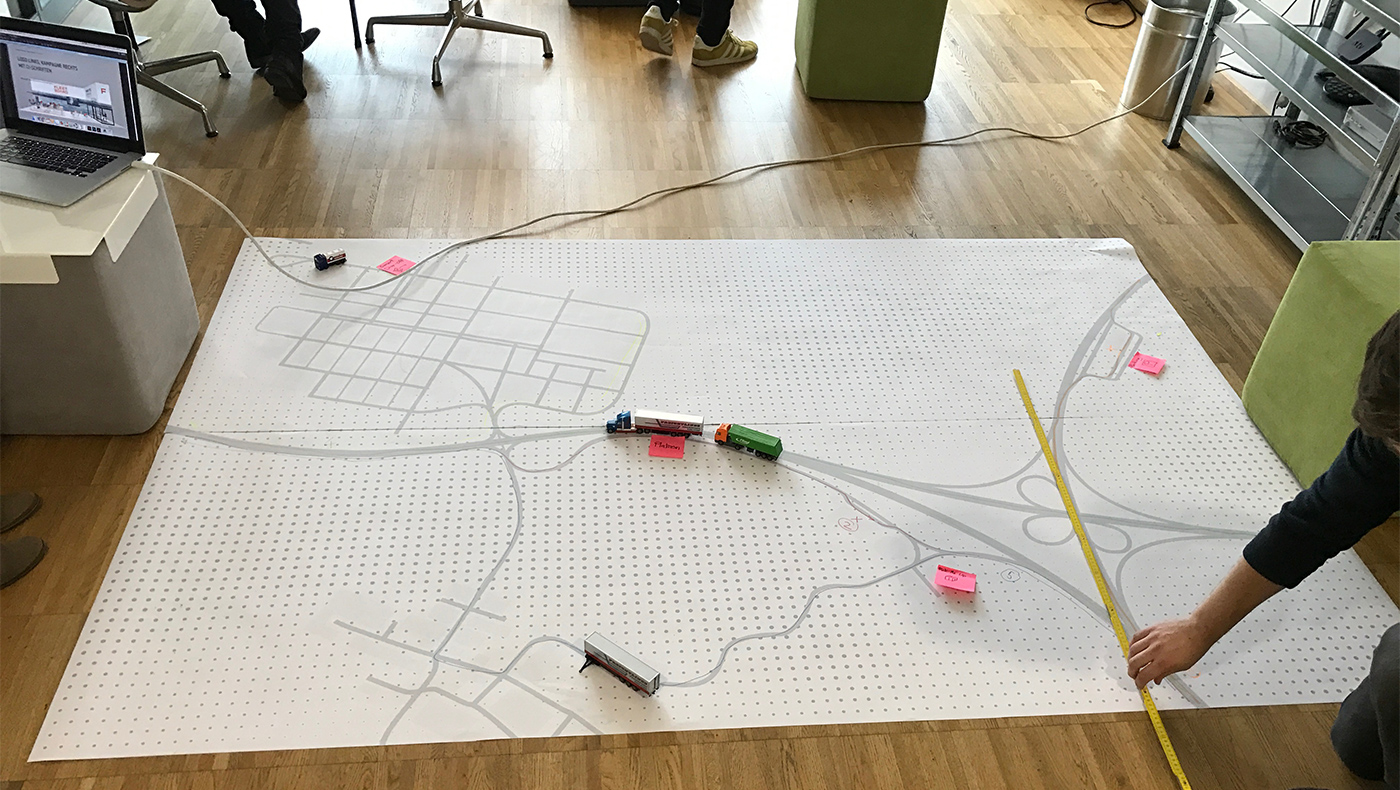
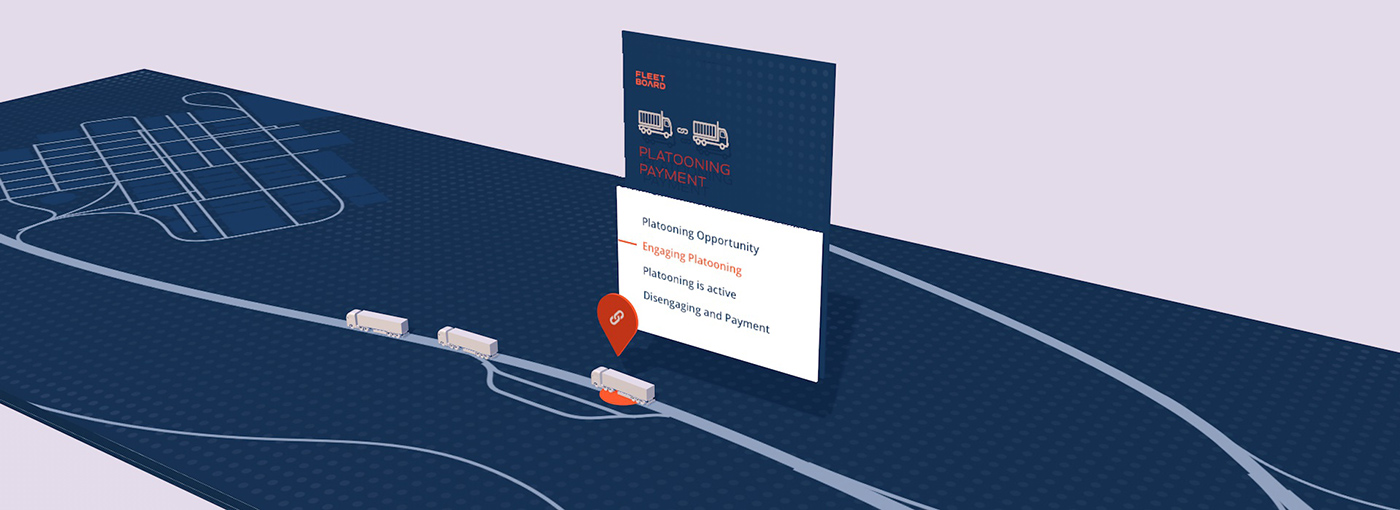 Table fits Vision
We just didn’t want to show it anywhere in the room. In User Experience Design there’s a movement that interactions should reflect the natural interactions that we do in real life. For this app I wanted the app to be connected to the real world, too. I liked the tables in movies that could show projections on them, but they were still nothing more than normal tables or displays.
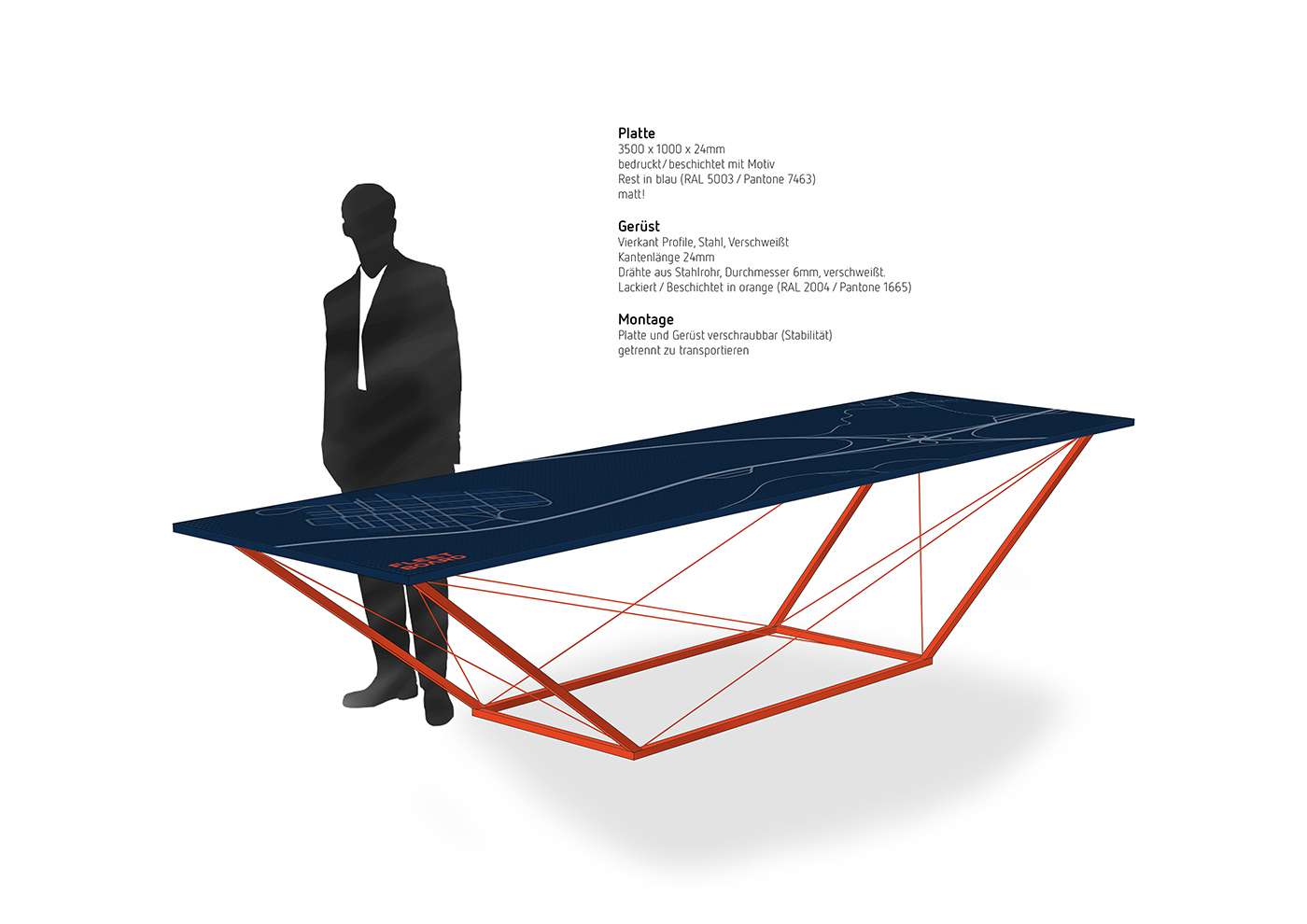
I wanted the app to really interact with a table. The idea was to have a futuristic table in the Fleetboard colors and have the map directly printed on the table. This way the trucks would really drive on the ways on the table.
06. The Result
 07. The Reflection
This was my first HoloLens project. I always asked myself when we will see this in mainstream use and after this project I'm still asking myself this. It is definitely nice for showcases and for the Wow-Effect but I think the B2B business will see the first big impact and real use in HoloLenses. From what I know internally there's quite some things to come that are really useful! And I can imagine that future fleet managers might use this to manage their vehicles but I'm still skeptic when the first big streams of real use cases will flow in and HoloLenses will be taken seriously.
I would have loved to work closer with the agency and the startup to get more hands-on experience on building and prototyping such an application but unfortunately time didn't allow me to. Nevertheless the project was very succesful. The press loved it, the people are still loving it and the exposition gets a lot of attention. People keep asking me if they can use it for their events and the HoloDeck is very busy since its release.
Once people really have a feel for the HoloDeck, we should start to add interactions to it and really polish the product. It's still a rough version after only 6 tight weeks of work.
-
Mercedes-Benz
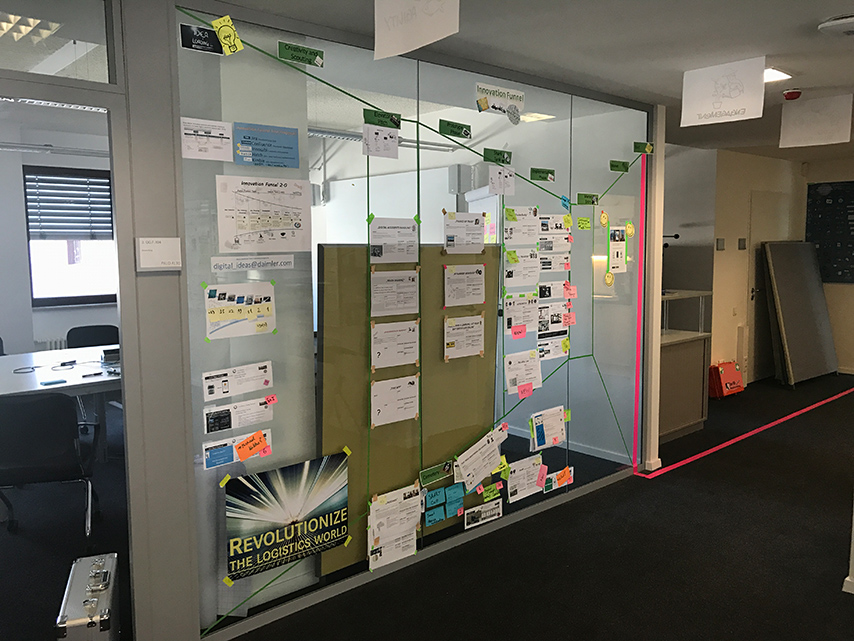
Innovation Funnel
(COMING SOON)Project Coordination
Prototyping
Startup Scouting
Pitching
Much more..Project DescriptionBoah scheiße. Ich dachte ich hätte diese Sektion damals schon fertig geschrieben und hätte es nur hochladen müssen um meinen Job zu erklären. Jetzt muss ich das alles komplett von vorne erstellen nur weil ich flexen wollte..
Ich wollte schon öfter für andere meine alte Seite wieder hochladen aber hatte dann letztendlich doch nicht genug Motivation dafür, aber für dich mach ich das jetzt. Pls appreciate meine Kopfschmerzen. Ok here we go Lea.
01. The Challenge
Mercedes-Benz war ein gigantischer Konzern der vor vielen Challenges stand, Digitalisierung, Elektroautos, Geopolitische Einflüsse der Globalisierung, unvorhersehbare wirtschaftliche Entwicklungen. Mit all den Dekaden der Erfahrung hat sich das Unternehmen nur Arroganz angesammelt, mit der jede Competition für uns ignorierten bis sie uns überholten, und wir hatten einen schwachen politischen Rücken der das Internet als Neuland bezeichnete und bei jedem Hitler-Gruß von Elon Musk zusammenzuckte. Mercedes-Benz hatte nicht mehr die globale Machtposition die sie einst zu genießen wussten und auf der sich die deutsche Wirtschaft ausruhte (Spoiler: 2026 lässt grüßen). Die eine Hälfte des Konzerns gähnt immer noch, wartet nur auf die Mittagspause und quatscht dann währenddessen mit Kollegen wie hoch denn diesmal die Gewinnbeteiligung sein wird für ihre nichtsnutzige Arbeit (Jobbeschreibung: Meetings, Beine hochlegen und Fingernägel im Büro schneiden), die andere Hälfte ist geschockt warum chinesische Fahrzeuge doch populärer werden und Tesla soweit in Führung geht. War glaub doch ein Fehler die Tesla Aktienanteile zu verkaufen hmmm. Also wie retten wir den Konzern vor dem Untergang? Die eine Hälfte juckt es gar nicht und durch so viele Strukturen und Prozesse ist das Unternehmen langsamer als Patricks Stein beim Schneckenrennen bei Spongebob.
02. The ApproachEine neue Kampfeinheit musste her, die abseits vom restlichen Konzern agiert und möglichst viel Autonomität genießen sollte. So sollte festgestellt werden, dass man schnell ist, Dinge selbst entscheiden konnte und mit voller Karacho durch alles durchfährt und abschießt was nicht bei 3 weggerannt ist. Der Fokus sollten neue digitale Business Ideen und Strategien sein, womit Mercedes-Benz noch anderweitig Geld verdienen kann, in Bereich wo sie noch kaum waren aber ihre Expertise trotzdem großen Einfluss hätte. Eine neue Abteilung mit dem namen „Digital Solutions“ wurde geboren. An der Spitze soll Dr. Daniela Gerd Tom Markotten die Führung nehmen. God bless her Soul, ich liebe diese Frau über alles. Sie gehört für mich wahrscheinlich bis heute noch zu den inspirierendsten Menschen in meinem Leben, neben meiner Mutter. Nach dieser Woche nimmt Lea Blanca Mae knapp den 3. Platz ein. Sie soll später der CEO von dem Unternehmen werden, das mit unserer Abteilung gemerged wurde und noch späterer der CEO vom Unternehmen das car2go erfand (BMW & Mercedes-Benz) und spätererer noch wechselte sie in den Vorstand der Deutschen Bahn. Noch heute fragt sie mich ab und zu nach Rat bei bestimmten Dingen. Anyway genug geglazed.
Es soll auch richtig viel Budget in die Abteilung fließen. Es soll viel Geld für Equipment ausgegeben werden, eine Arbeitskultur die sich bewusst vom restlichen alten Konzern unterscheidet, Architektur, Auftreten, Konsolen zum zocken, Spiele, Napping Ecke. Aber noch wichtiger es soll viel Geld in das Team gesteckt werden. Normalerweise wird immer zuerst innerhalb des Konzerns geschaut, wer passend für die Stelle wäre. Darauf wurde diesmal aber bewusst verzichtet und Daniela wollte ein internationales Allstar Team zusammenstellen. Es soll bewusst auf Englisch gesprochen werden, alle sollen auf gleicher Ebene arbeiten und der Laden aufrütteln. Sie stellte Leute aus verschiedenen Bereichen und verschiedenen Orten ein. Walt Disney Research, IBM, Qualcomm, Broadcom, Amazon ein paar von Mercedes-Benz selbst die die Prozesse kannten aber das Mindset hatten, dass sich Dinge ändern mussten. Aber was fehlte in ihren Augen noch? Eine junge Person die Chaos in die Ordnung bringt und frische neue Gedanken in Veteranen reinbringt. Fast forward ich bin im Bewerbungsgespräch und bekomme dort direkt vor Ort schon die Zusage. Allein mit Vibes und Aura. Ich komplett clueless was für ne Chance mir bevorsteht, war mir noch unsicher, weil ich zwischen verschiedenen Stellen die Auswahl hatte, aber ich wurde dann doch überredet und habe dann hier zugesagt.

Zu deren Pech wussten sie nicht was fürn Chaoten die eigentlich eingestellt haben lul
03. The SolutionAlso was soll dieses Team machen? Wir haben uns den Innovation Funnel ausgearbeitet. Es soll im 4 Wochen Takt neue Projekt- und Businessideen vor dem Mercedes-Benz Vorstand gepitcht werden und diese voten dann für Ideen, die man weiterverfolgen soll. So soll versichert werden, dass wir schnell auf neue Ideen kommen, aber diese auch schnell wieder verwerfen bevor sie zu sehr ausarten bis man merkt, dass sie keinen Sinn machen. Mercedes-Benz hat in der Vergangenheit nämlich häufig den Fehler gemacht, dass man ewig Projekte geplant hat, diese dann ausarbeitete und erst am Ende merkte, dass es verschwendete Zeit war. Die Ideen, für die gestimmt wurden, sollten dann auch von uns gebaut oder zumindest geleitet werden. Wir sollten vollkommene Freiheit haben. Daniela hatte vollstes Vertrauen in uns und wir sollten einfach machen und nicht großartig nachfragen.
Hier damit du weiteraufpassen kannst.
04. My Role
Mein Jobtitel war Creative Technologist. Ich war der zuständige UX Designer (Softwaredesigner) und Projektmanager. Ich soll dem Prototyping Team angehören, das Team das im 4 Wochen Takt neue Business Ideen evaluieren und Prototypen bauen soll. Mein Skillset war recht weitreichend, von Design bis zur Entwicklung von Prototypen konnte ich alles, mir war auch immer wichtig dass ich KRASS in dem bin was ich tat. Wollte leider nicht so viel Geld wie dein Ex ausgeben nur um zu tun als wäre ich KRASS. Als Schwabe ist man zu geizig für sowas. Und Projektmanagement hab ich mir irgendwie aus dem Arm geschüttelt, musste ja irgendwie meine kleinen Geschwister damals auch managen. Same same.
05. How I Worked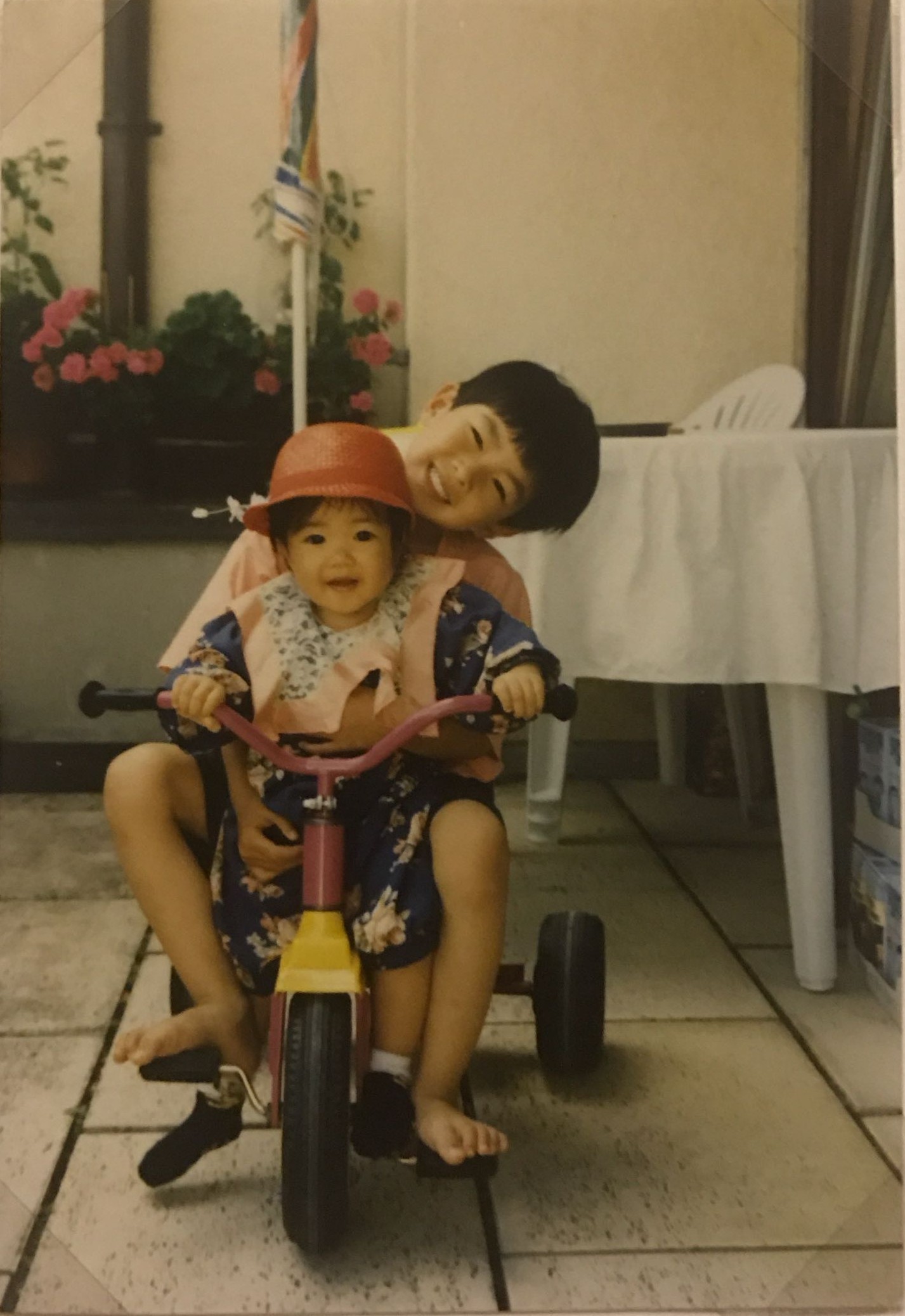
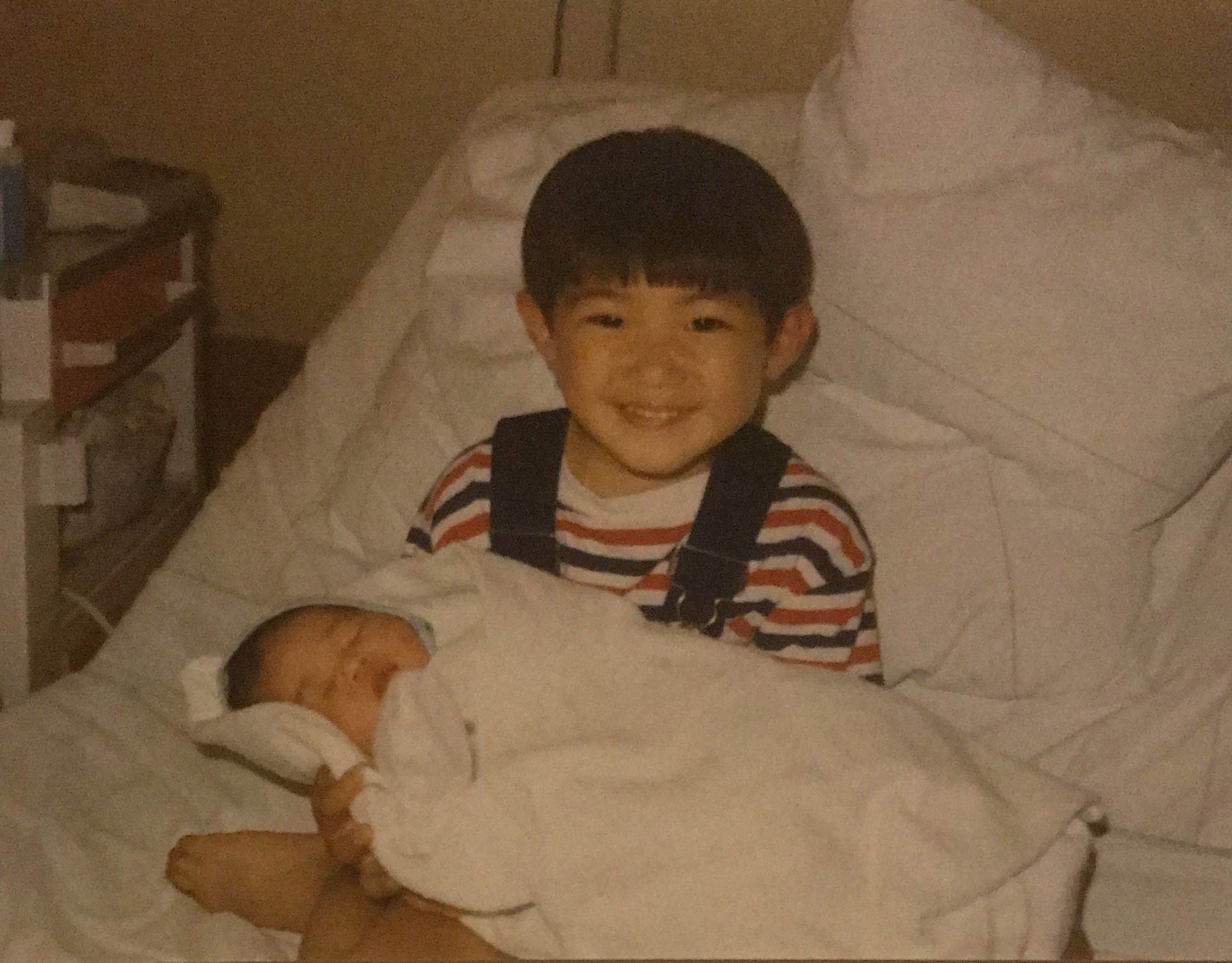

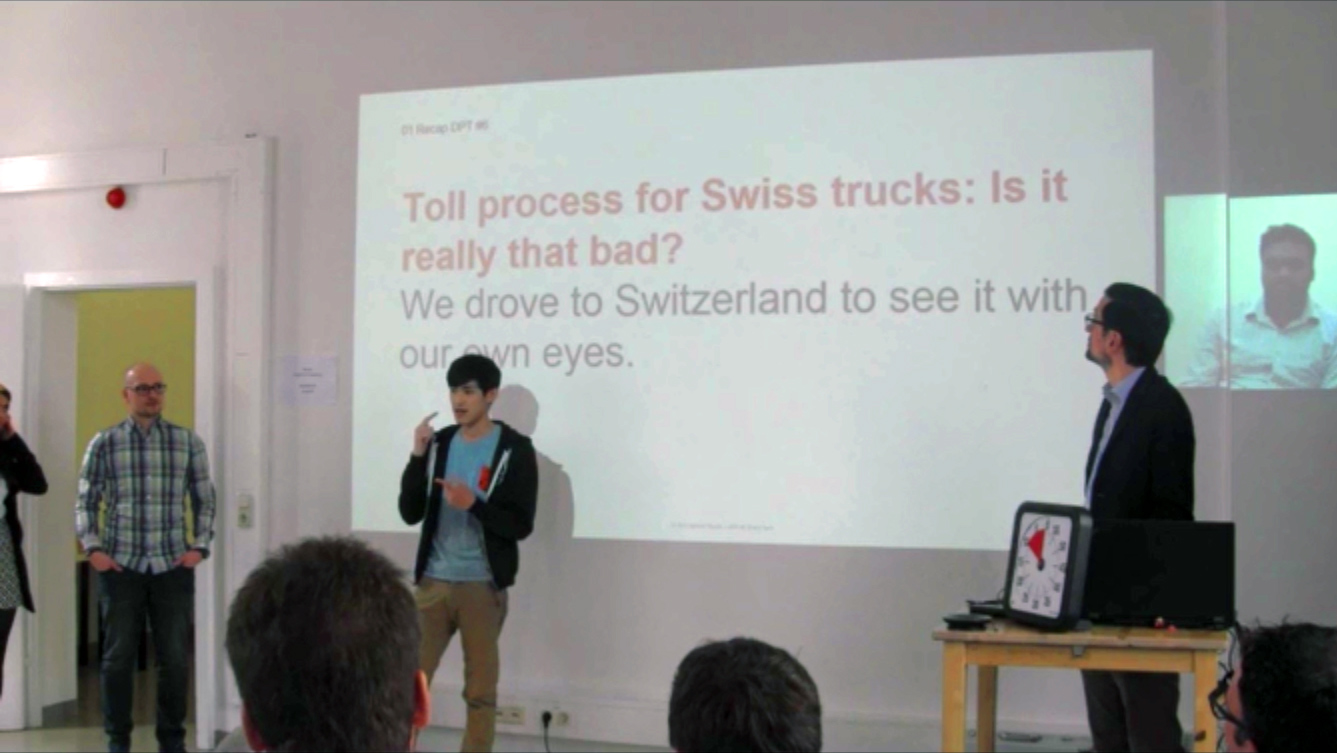
Wie kamen wir nun konkret auf neue Ideen? Tun was auch immer dafür nötig war. Konkret habe ich verschiedene Dinge gemacht. Mit anderen Abteilungen geyapped um zu schauen ob Leute Ideen hatten oder kollaborieren wollten, mit Startups und anderen Unternehmen gearbeitet, dazu gehörte es zum Beispiel auch in andere Länder zu reisen, ich war auch in den Headquarters von Facebook und Google, habe auch für gewisse Zeit in den USA gearbeitet an verschiedenen Standorten. Ich habe Events veranstaltet bei denen Studenten von außerhalb teilnehmen konnten oder war der Stellvertreter von Mercedes-Benz bei den größten Studentenwettbewerben in Finnland, den USA und Deutschland.
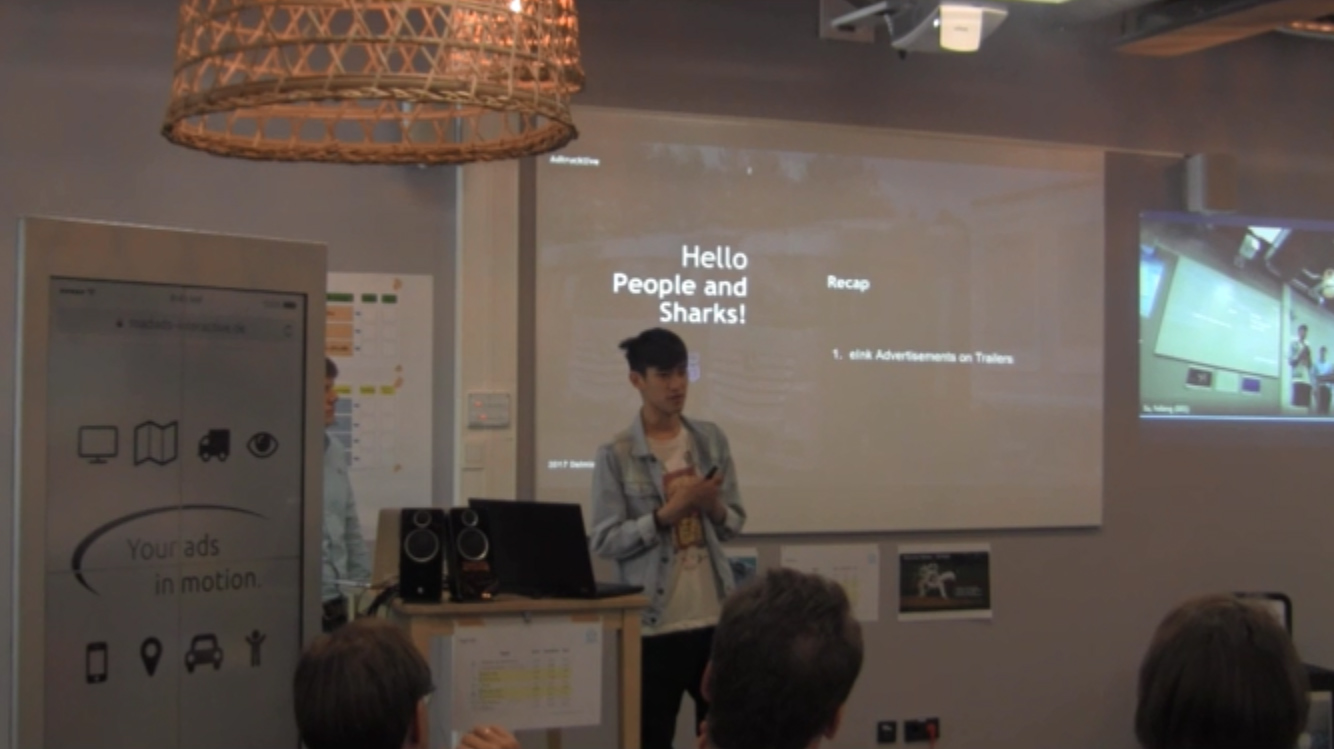
Wenn sich dann gute Ideen herauskristallisierten bauten wir dazu Prototypen mit einer Präsentation die wir monatlich bei einem Event „Shark Tank“ vor dem Vorstand hielten.
Der damalige CEO von Mercedes-Benz nannte uns seine Lieblingsabteilung im Unternehmen.
Ich sollte außerdem die meisten Gehaltserhöhungen und Belohnungen bekommen, die es sonst zuvor noch nie in dem Unternehmen gab HEHE. Aber die größte Belohnung waren die Menschen die ich dort kennengelernt habe, ich weiß corny as hell, aber die haben mich sehr wachsen und reifen lassen und ich habe so viel gelernt was mich bis heute noch beeinflusst. Ich bin sehr sehr dankbar für diese Opportunity und dass ich immer recht kompromisslos ich sein durfte und trotzdem (oder vielleicht gerade deswegen?) sehr gewertschätzt wurde. Es war ein tolles Team das sich gegenseitig gepusht aber auch getragen hat. GG WP.
06. Thanks for listening